
This article may contain affiliate links where I make a small commission for purchases you make from links that you click from this article. By purchasing through these links, you support me at no additional cost to you. Thanks for your support.
Want to visit Japan but aren’t into big-city sightseeing? Here’s one of Japan’s best-kept secrets: the country is far more nature-filled than urban. It’s incredibly easy to design a Japan trip focused on small towns, rural landscapes, and meaningful outdoor experiences—if you know where to look.
If you’re craving an active journey in Japan, you’re spoiled for choice. The country excels at creating multi-day travel routes and pilgrimages that immerse you in history, culture, and purpose—think the Shimanami Kaido cycling route, or iconic hikes like the Kumano Kodo, Shikoku 88 Temples, and the Nakasendo Way.
But there are only a few places in Japan where you can experience a truly meaningful journey in a multi-sport way.
Welcome to Tohoku—and the Michinoku Coastal Trail.
Disclosure
This trip was hosted by Northern Japan Horizons. As always, all opinions, experiences, and storytelling are my own. I only partner with companies whose values align with mine—and this journey along the Michinoku Coastal Trail is one I would happily recommend regardless of sponsorship.

What Is the Michinoku Coastal Trail?
The Michinoku Coastal Trail is a long-distance walking route that traces Japan’s rugged Pacific coastline through the Tōhoku region, connecting fishing villages, dramatic cliffs, quiet beaches, and small coastal towns. It was created after the 2011 Great East Japan Earthquake and tsunami as a way to support regional recovery, preserve coastal culture, and invite people to experience the resilience of communities rebuilt along the sea.
More than a hiking trail, it’s a journey of remembrance, connection, and renewal—designed to bring travelers slowly and thoughtfully into the heart of rural northeastern Japan, a region that sees only about 2% of international visitors.
Launched in 2019, the trail has been gaining recognition ever since. For travelers who want to experience Japan far from the tourist trail—and stay active while doing it—this region is pure gold.
How to Experience the Michinoku Coastal Trail in a Variety of Ways
While most people think of the Michinoku Coastal Trail (MCT) as a long-distance hiking trail, the Michinoku Coastal Trail was intentionally designed to be more than that. It’s a multi-modal journey that allows travelers to connect with the land, sea, and people through hiking, cycling, paddling, storytelling, and cultural exploration.
This is not a trail you rush. It’s one you experience…multiple ways.
Hiking
It takes 40 to 60 days to hike the entire trail from Soma to Hachinohe, and most travelers don’t have the time to complete the entire trail. You could however do it in sections if you are short on time.
In my multiple trips there, I focus on trying to hit the highlights of the different regions so that I can get a feel for how the landscape and culture changes as you hike the trail. Here are the hikes I would recommend to do in the various sections that are varied and the most beautiful.
Michinoku Coastal Trail Day Hikes Not to Miss
Kitayamazaki Cliffs and Tunnels
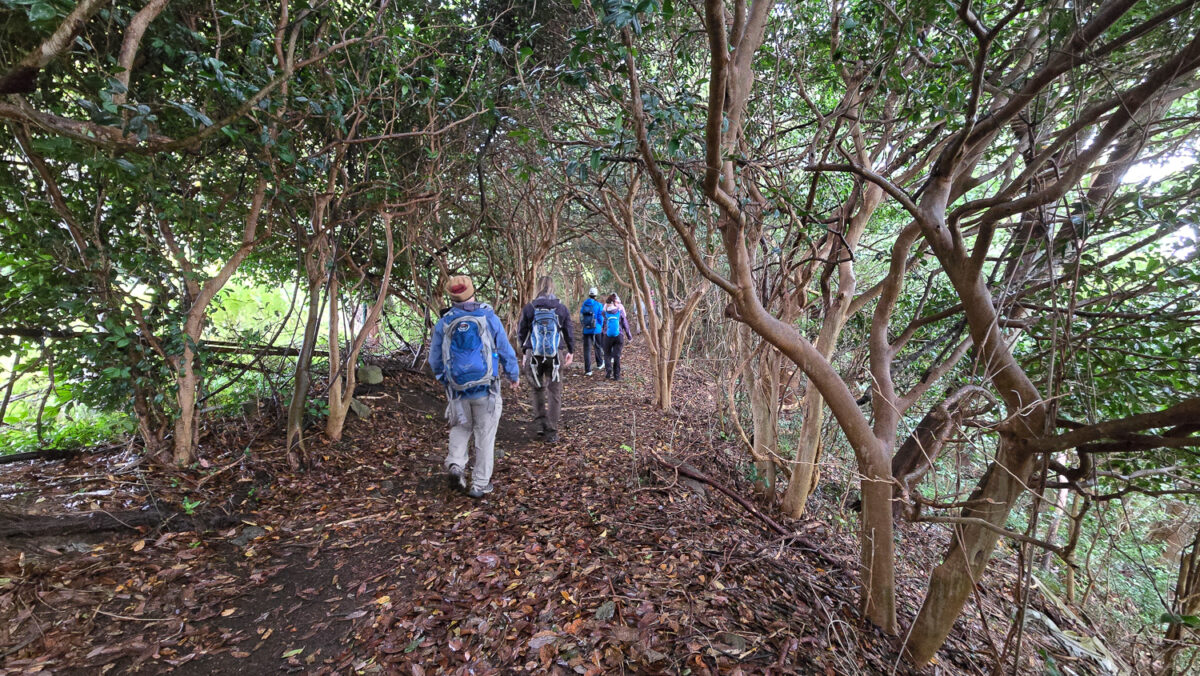
This hiking section is challenging due to the steep climbing and descending that it requires – but it’s absolutely stunning when you pop out of the woods and see the cliff views. The trail has stairs that make it a bit easier to handle the grades. On my last hike here, we spotted wildlife in the woods. I briefly thought it was a bear (cue panic)…but was very relieved when it turned out to be a deer casually strolling by.
After the cliffs, we took a lunch break on the beach (because lunch always tastes better with an ocean view), then continued through the historic hand-dug rock tunnels that link coves and beaches along the coast. These tunnels were carved by locals long before the trail existed to connect isolated coastal areas—and today they offer an unforgettable, immersive way to experience the Sanriku Coast from the inside.
This is the most rugged section of the trail and may require scrambling or ladder climbing depending on tides—but it’s absolutely worth it.
Hachinohe to Tanesashi-Kaigan Natural Lawn
This coastal hike starts at Kabushima Shrine, where—during nesting season—you’ll be greeted (or mildly harassed) by thousands of seabirds. Bring a hat if you’re hiking between March and August. Trust me.
Leaving town, you pass small fishing ports and shrines before transitioning into a stunning stretch of beach and forest with gentle climbs and sweeping ocean views. The hike ends at the Tanesashi Natural Lawn, a wide green coastal space beloved by locals.
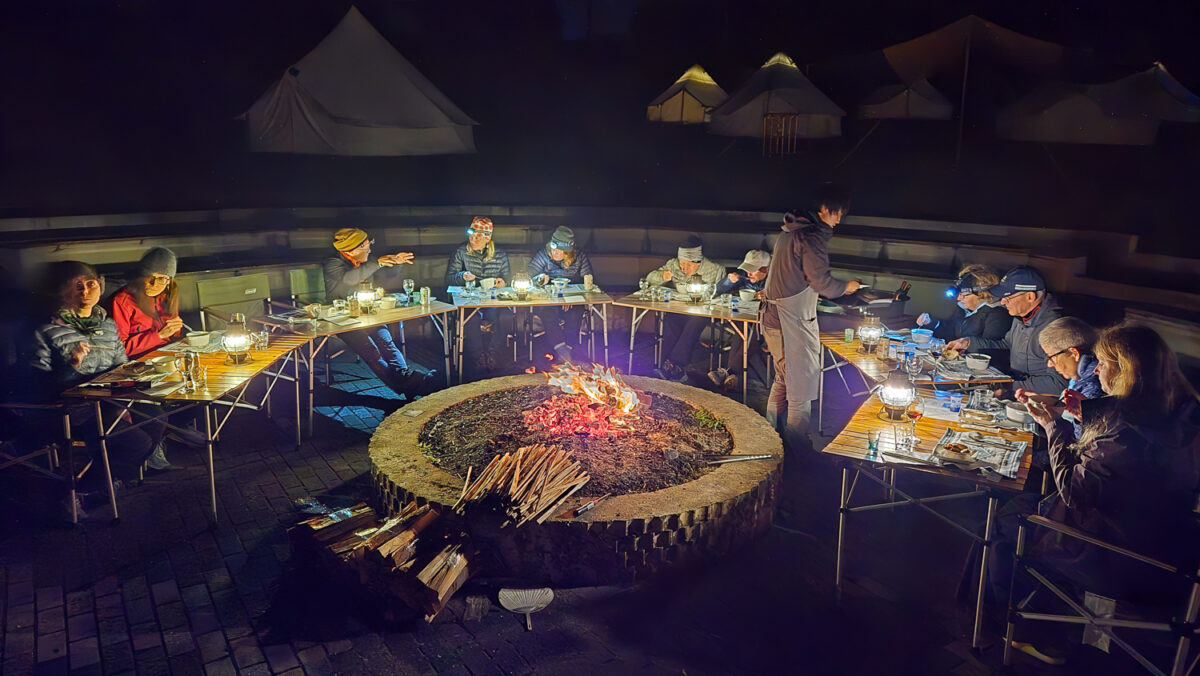
I stayed here in a glamping setup—comfortable tents, a campfire feast of seafood and beef, and star-gazing over the Pacific. Highly recommended.
Urato Islands Hike
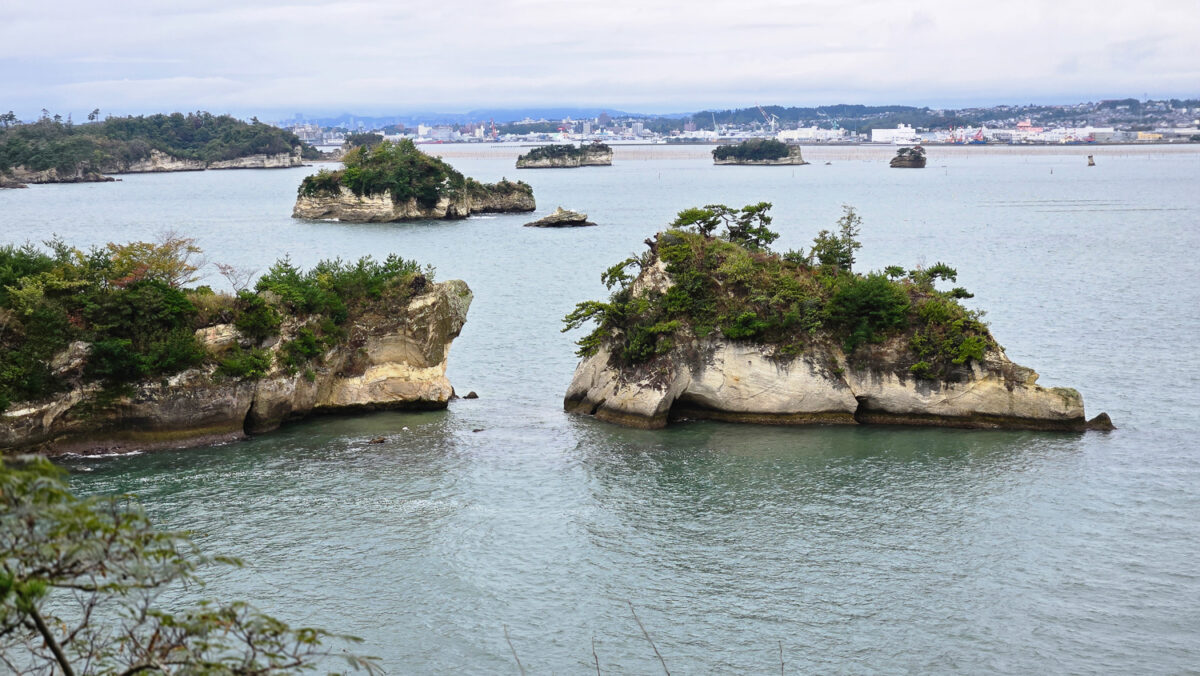
One of my favorite things about the MCT is that it includes nearby islands as part of the route.
You begin by ferrying from Shiogama to Katsurashima, then island-hop using local fishing boats as part of the trail. Hiking here gives you insight into how island communities live—and how they, too, faced the tsunami.
After our hike, we toured aquaculture operations with a local fisherman and learned how the islands sustain themselves. The scenery is stunning: wave-eroded rock formations, pine forests, and rare warm-weather plants. The islands have not been developed as a tourist destination, and visitors can enjoy the traditional Sanriku island scenery and tranquil scenes.
This is more than a hike—it’s a window into island life.
MCT Hiking Tips
- Utilize the visitor and trail centers to help you plan your hike if doing it independently
- Bring a bear bell or bear spray; there has been an increase in black bear activity in the region
- Go during the fall (early to mid-November) for incredible autumn colors
- Do a guided tour so you can learn more about the earthquake and tsunami as you traverse the regions
- Bring a headlamp if you plan to do the tunnel section – there is absolutely no light inside
- If you hike the tunnel section, do a guided hike with a tsunami survivor who tells an incredible story of how they were trapped there the day of the earthquake
Cycling the Michinoku Coastal Trail
Want to cover more ground on totally quiet coastal roads along the MCT? Then cycling is your answer! Do note that you cannot ride a single, continuous bike path from start to finish—it’s about using a bike as a tool for deeper exploration, efficiency, and connection along Japan’s northeastern coast.
It’s important to note that 50 to 75% of the MCT is along paved roads. And if you are anything like me – you don’t enjoy walking or hiking along roads. That’s why cycling is a great option for a hybrid type MCT experience.
Best Michinoku Coastal Trail Cycle Sections
Tsukue-hama Beach to Unosu Cliffs
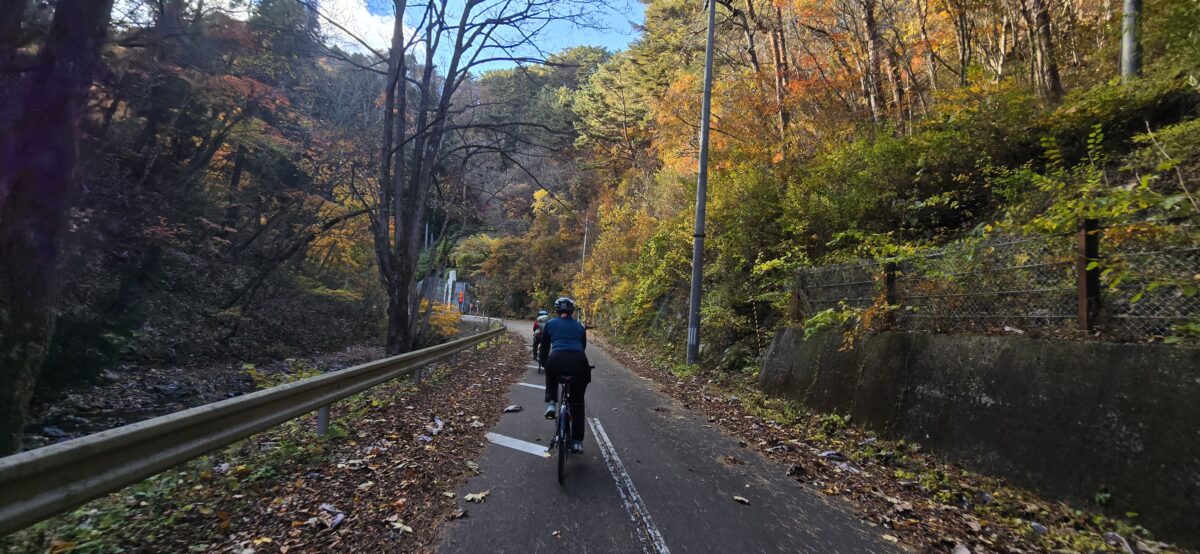
I cycled this in the fall and it was absolutely stunning being surrounded by fall foliage. We started at the beach and climbed up and down along the coast through fishing villages, neighborhoods, and ports. We ended at the Unosu Cliffs lookout point that provided a cool vantage point of where we had come from. The Unosu Cliffs reminded me a bit of the Cliffs of Moher in Ireland.
I highly recommend using an e-bike for this section – it is a lot of up and down. Traffic is very light and respectful.
Cycling in the Fall
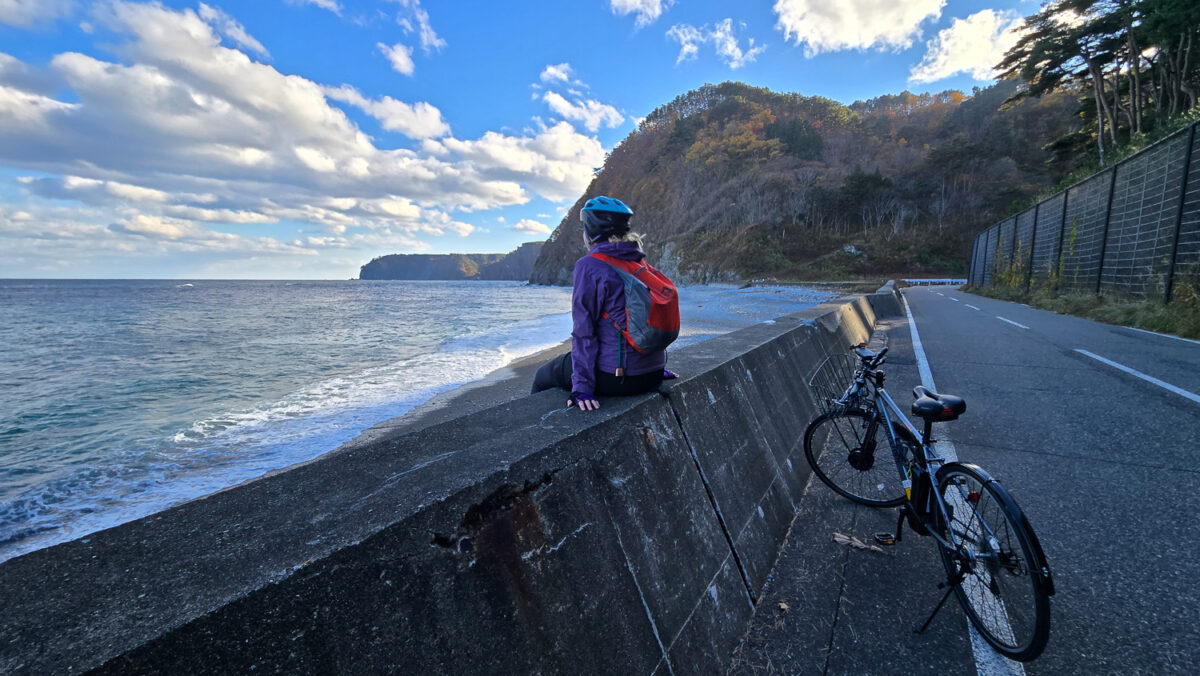
Stop and soak it in
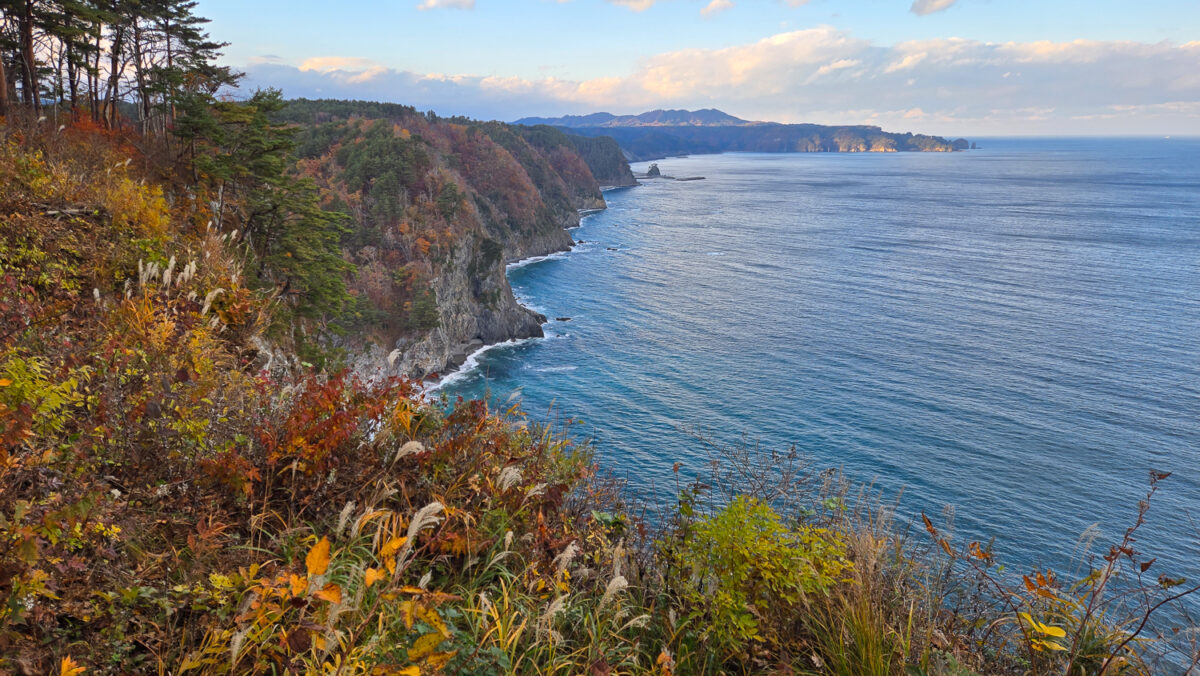
Unosu Cliffs
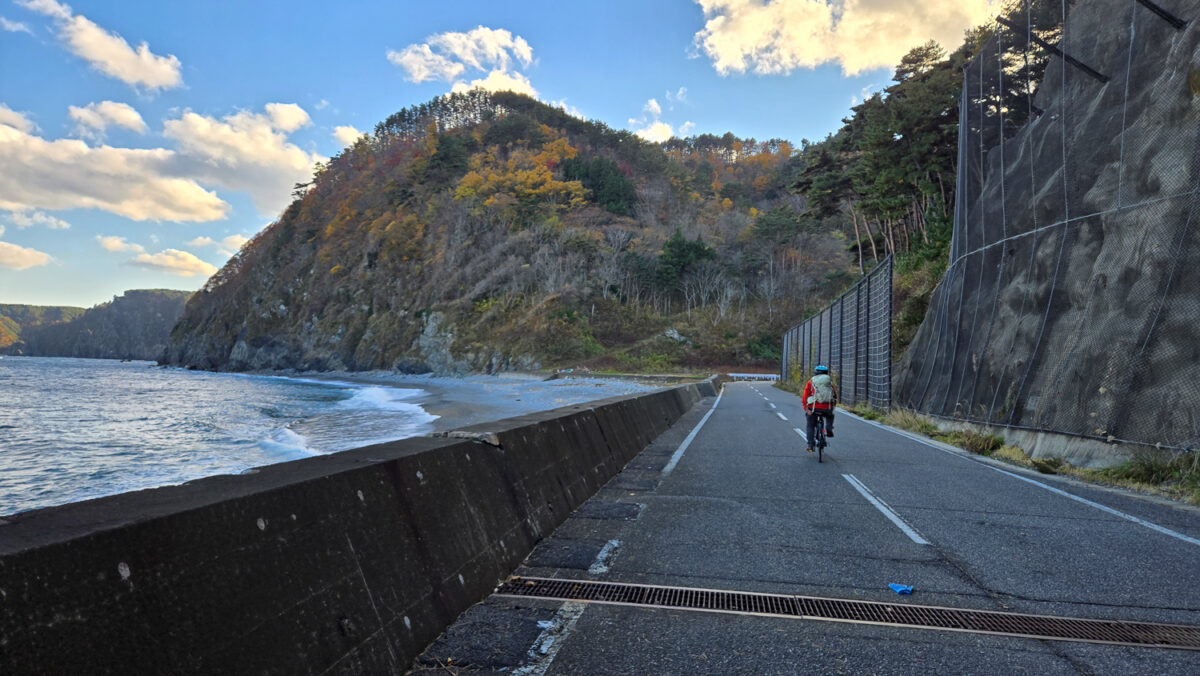
Coastal cycling
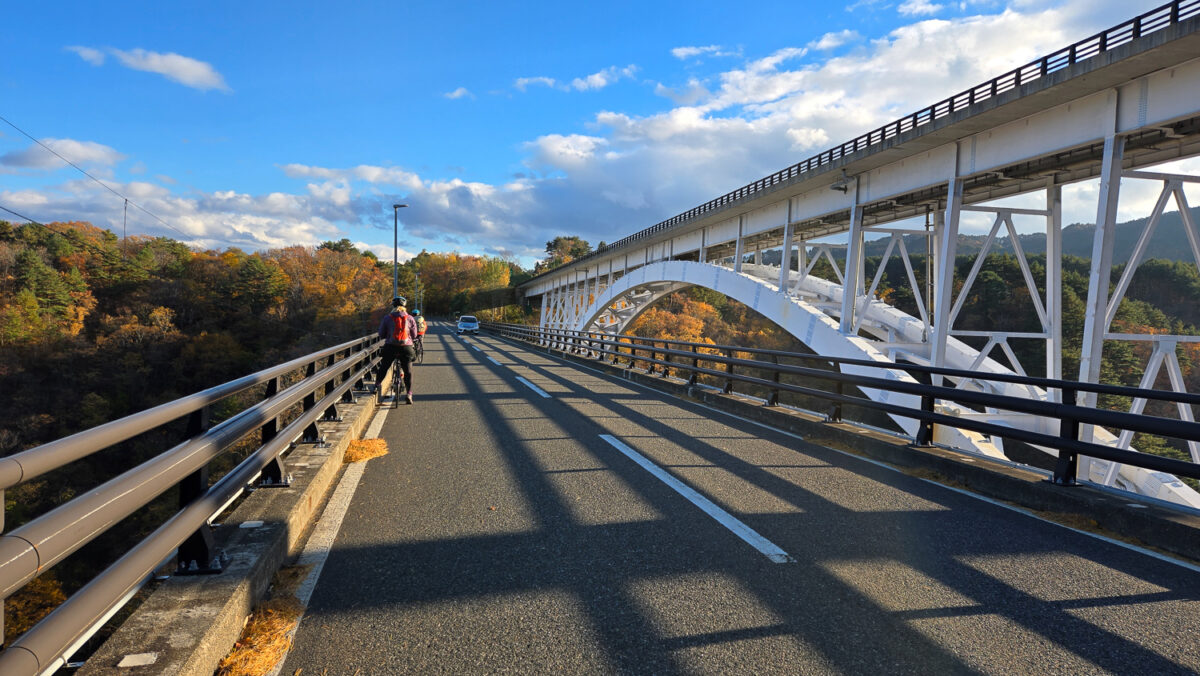
Few cars
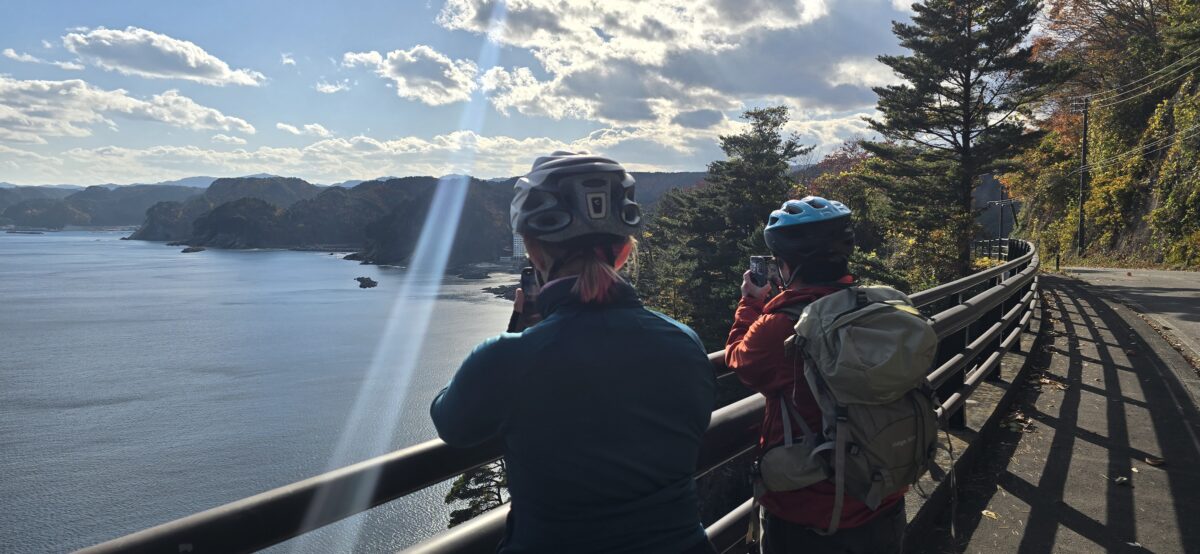
Stop for photo moments
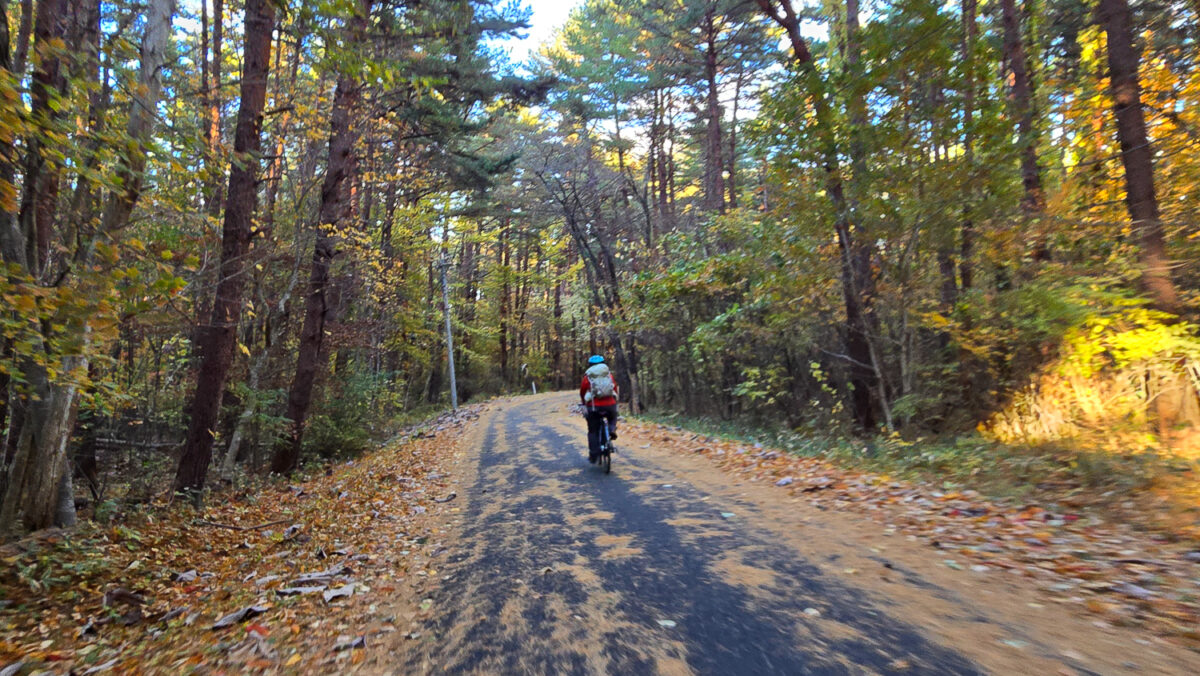
Cycling in the Fall
Rikuzentakata City
Rikuzentakata was one of the towns hardest hit by the tsunami, which makes seeing its rebirth especially powerful.
You can rent bikes or join guided tours starting at the Iwate Tsunami Memorial Museum. We cycled through rebuilt neighborhoods, past rice fields, and alongside massive tsunami walls—surreal and sobering. Lunch was served by a local women’s group who shared their stories of survival and rebuilding. It was one of the most meaningful meals of the trip.
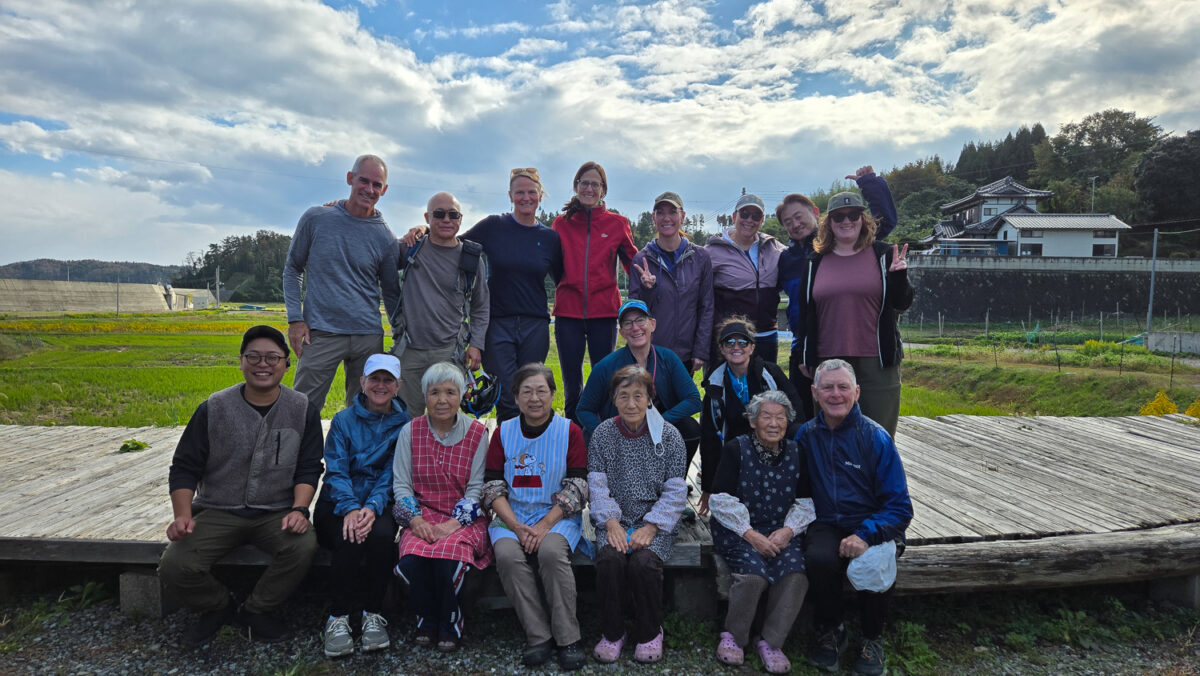
Fukushima Coastal Trail at Iwaki
Technically south of the MCT, this coastal ride is still well worth including. After the disaster, the tsunami wall here was reimagined as a multi-use cycling and walking trail—a brilliant example of forward-thinking design.
The route is flat, well-marked by a blue line, and perfect for road bikes. Cycling along the beach while watching fishermen and surfers made me want to come back with a surfboard next time.
Paddling on Sections of the MCT
Some of the most dramatic sections of the Michinoku Coastal Trail are best appreciated from the sea. There are multiple opportunities for kayaking and SUP along the coast. These activities are less about distance and more about presence and perspective.
Jodogahama Beach is hands-down the most scenic place to get on the water. Kayaking here allows you to glide alongside white volcanic rock spires and into hidden inlets you’d never see from land. You can also SUP or take a small boat cruise.
I also SUP’d at Tanohata’s Tsukuehama Beach, a protected fishing bay surrounded by cliffs—calm, scenic, and incredibly peaceful.
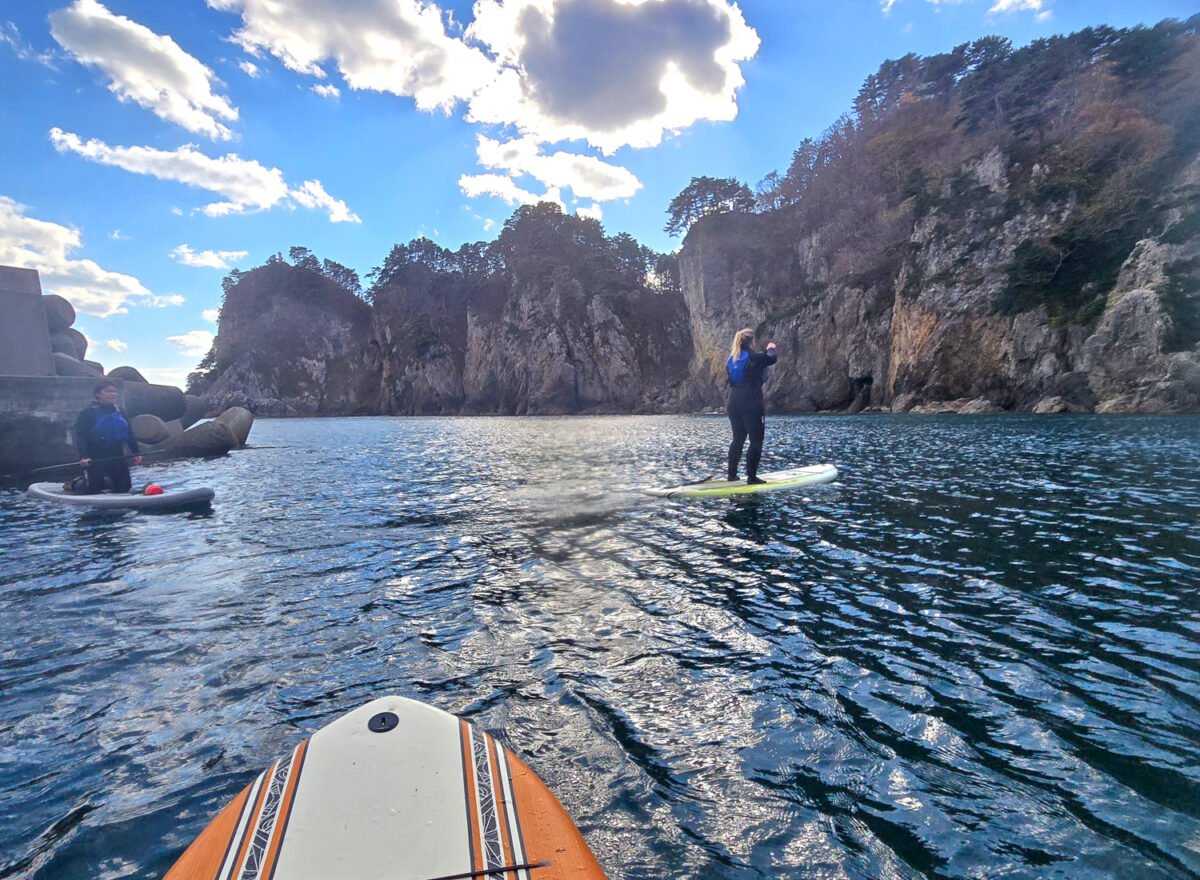
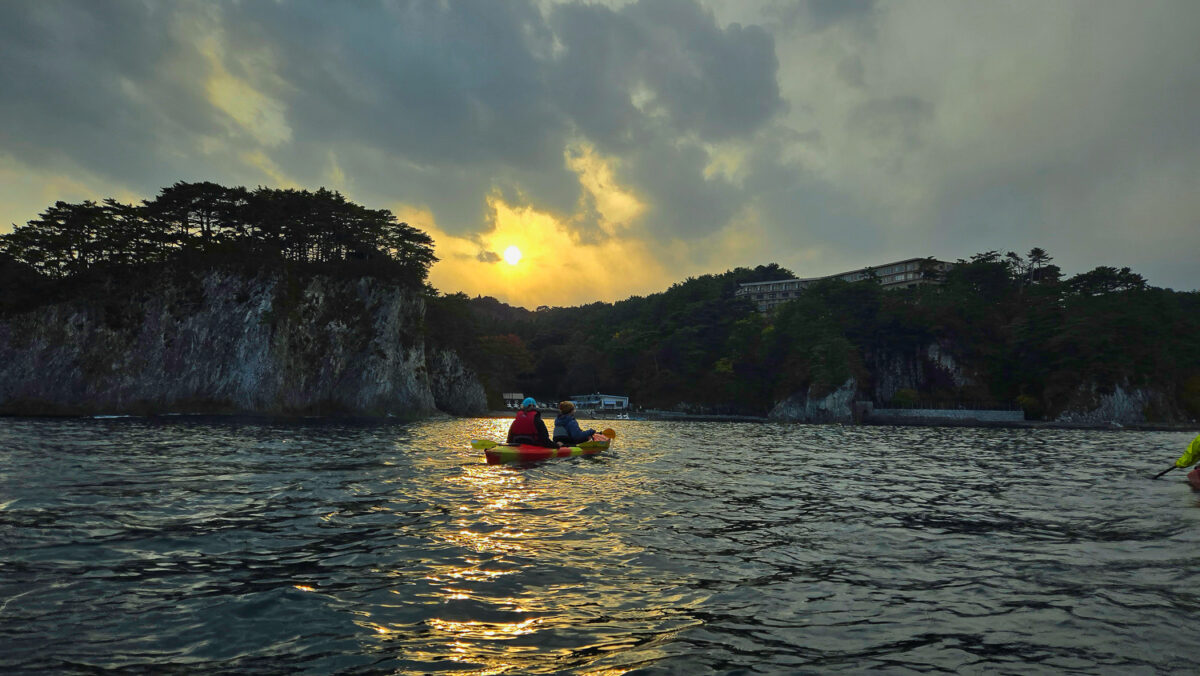
Even Kabushima Shrine can be experienced by SUP, offering a unique (and bird-filled) perspective.
Walking Through the Disaster and Rebirth
Not all meaningful MCT experiences involve wilderness hiking. Some involve simply walking through towns. One such place that had a big impact on me is Futaba in Fukushima.
Futaba is the site of the Daiichi nuclear powerplant disaster that was spurred by the earthquake, tsunami, and poor design. After the nuclear accident, Futaba was designated as a no-entry zone and became one of the most restricted areas in Japan due to radioactive contamination. Residents had to leave their hometown with little warning, carrying only what they could. And in many cases, they were stuck there – just left to fend for themselves – as no one was allowed in to even help. It is a heartbreaking story.
For over a decade, Futaba remained uninhabited—even as cleanup and decontamination efforts took place, much of the town stayed off-limits. It’s just within the last 5 years where it has started it’s rebirth stage.
Our walking tour started at the The Great East Japan Earthquake and Nuclear Disaster Memorial Museum which provided an in-depth view of the nuclear disaster causes, and aftermath. Yes, it was hard to digest, but after the museum we went out walking through the town to see how it was being rebuilt. And that gave me hope. It was exciting to see how the art community was helping rebuild Futaba, and how long time residents were coming back and being a part of the rebirth.
Art has the power to light a fire in people’s hearts and lead them to the future.
OVER ALLS Inc.
President Taketo Akazawa
The walking tour through Futaba was one of the best that I’ve done –a story of disaster and rebirth. It was hard to hear and see, but also very hopeful. It reminded me that time does truly repair things.
In addition to Futaba town walking tour – there are other town tours you can do along the Michinoku Coastal Trail as well as a number of memorial museums that are extremely well done and really bring you in touch with the locals and their stories.
Storytelling
The Michinoku Coastal Trail isn’t just a pathway through scenic forests and seaside cliffs—it’s a living narrative of resilience.
You can also experience the Michinoku Coastal Trail by simply listening. There are many opportunities to hear the in-depth stories of locals and how they survived the disaster along the coast. They will also share with you just how meaningful the MCT is to them and that you are traveling through their home.
I’ve had multiple opportunities to hear people’s stories and go to memorials, but the impactful experiences for me were the stories told right along the Michinoku Coastal Trail.
A young woman hiked with us through the tunnels on the Sanriku coast telling the harrowing story of her high school class that just happened to be doing a beach/cove cleanup the day of the earthquake and tsunami. Hearing how the group of teenagers and teachers handled each step of the way without any communication from the outside world on what was really happening was better than watching any movie on a screen. We were there reliving it with her at every tunnel, cove, and trail up and out of the cove. It was honestly one of the best tours I’ve ever done. It was so gripping and amplified even more because we were walking in the class’s exact footsteps.
-
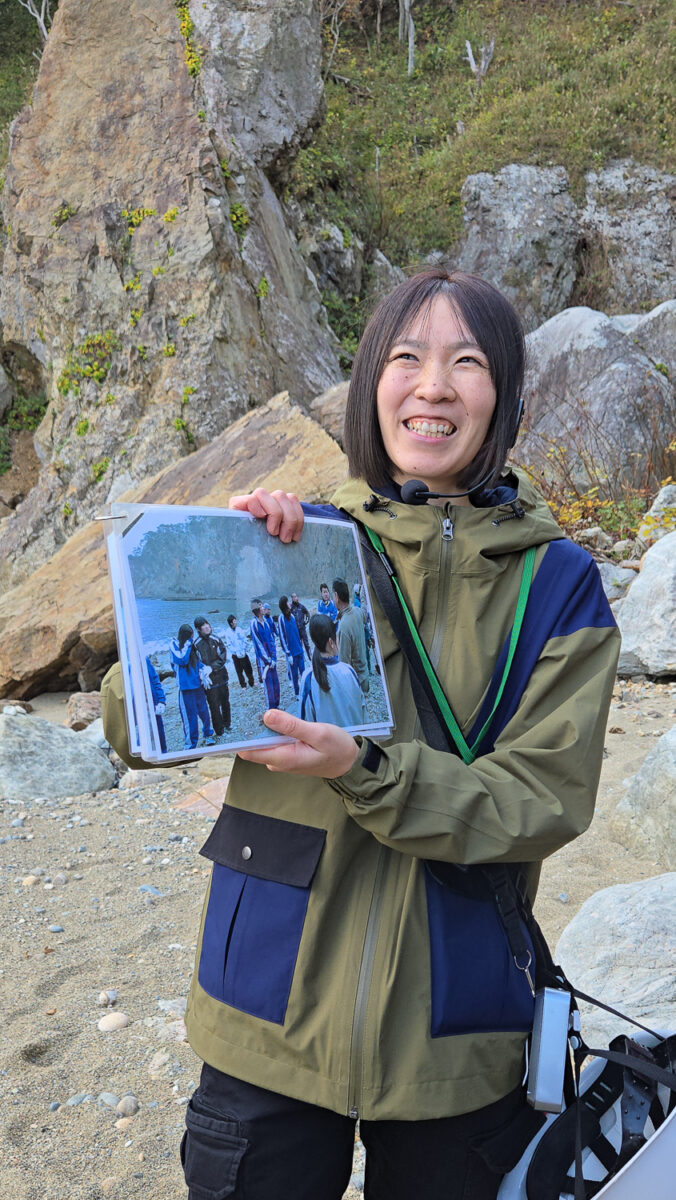
Storyteller showing pictures of her highschool class
-
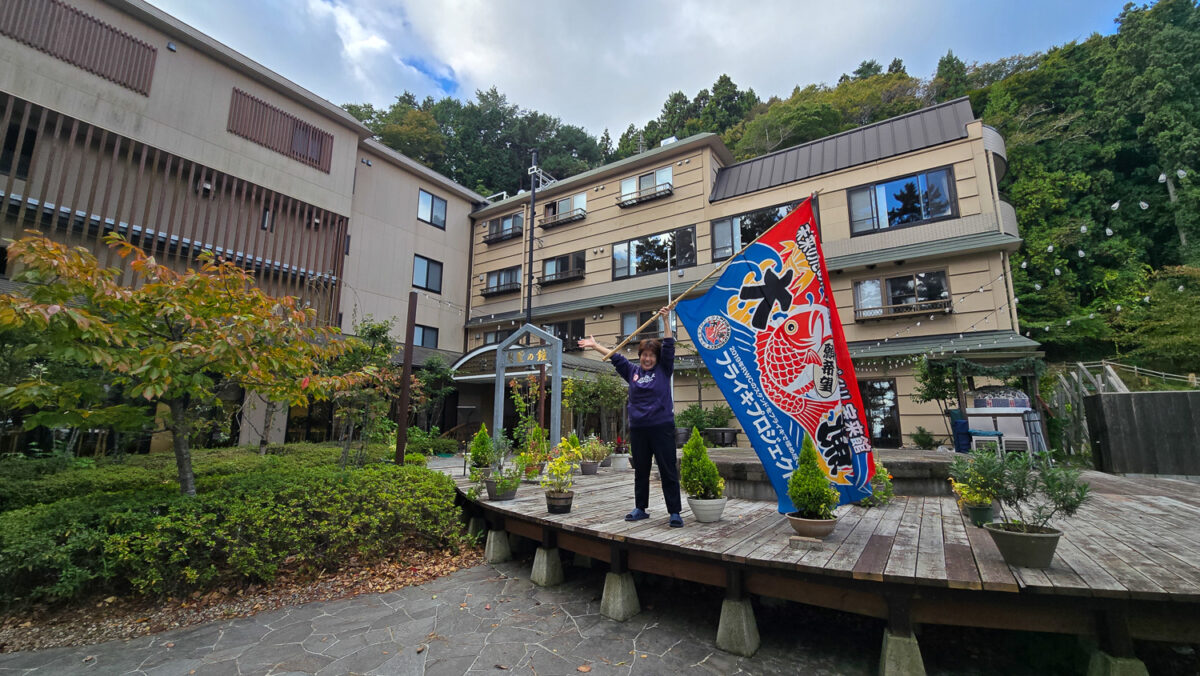
Horaikan Inn and storyteller Akiko Iwasaki
Another storytelling experience along the MCT is done at the the Horaikan Inn by the owner, Akiko Iwasaki. She is not just a host—she’s a living witness to the power of nature and the resilience of her community after the 2011 earthquake and tsunami. As she was running for higher ground helping neighbors around her, she was literally swept up by the wave and tumbled around in the tsunami next to cars and debris. But somehow, she survived.
She recounts her story with videos of the tsunami and interviews with locals each night the hotel. The hotel served as a lifeline to the community after the tsunami and during the cleanup and recovery; which makes it even more special to stay there.Her goal is to help people learn what to do in times of disaster. She tells her story so that visitors understand how locals survived, rebuilt, and chose hope over defeat.
Hearing her speak—and then experiencing an earthquake and tsunami warning that same night—made me truly understand what it means to live along this coast.
These stories along with the real life experiences that went with them were what really brought the MCT to life for me.
How You Can Go Beyond Simply Hiking the MCT
With the recognition and growing popularity of the Michinoku Coastal Trail, more companies are creating tours along it. Many of the tours focus on self-guided or small-group hiking in the northern section of the trail near Hachinohe. While that area is beautiful and has the easiest logistics, it also means most visitors end up seeing the same slice of the trail—missing the incredible variety, stories, and landscapes farther south.
And honestly, that’s what bothered me.
I knew the Michinoku Coastal Trail was more than a hiking route, and I wanted a way to experience the full story—not just the easiest-to-sell section.
That’s exactly why I chose to travel with Northern Japan Horizons.
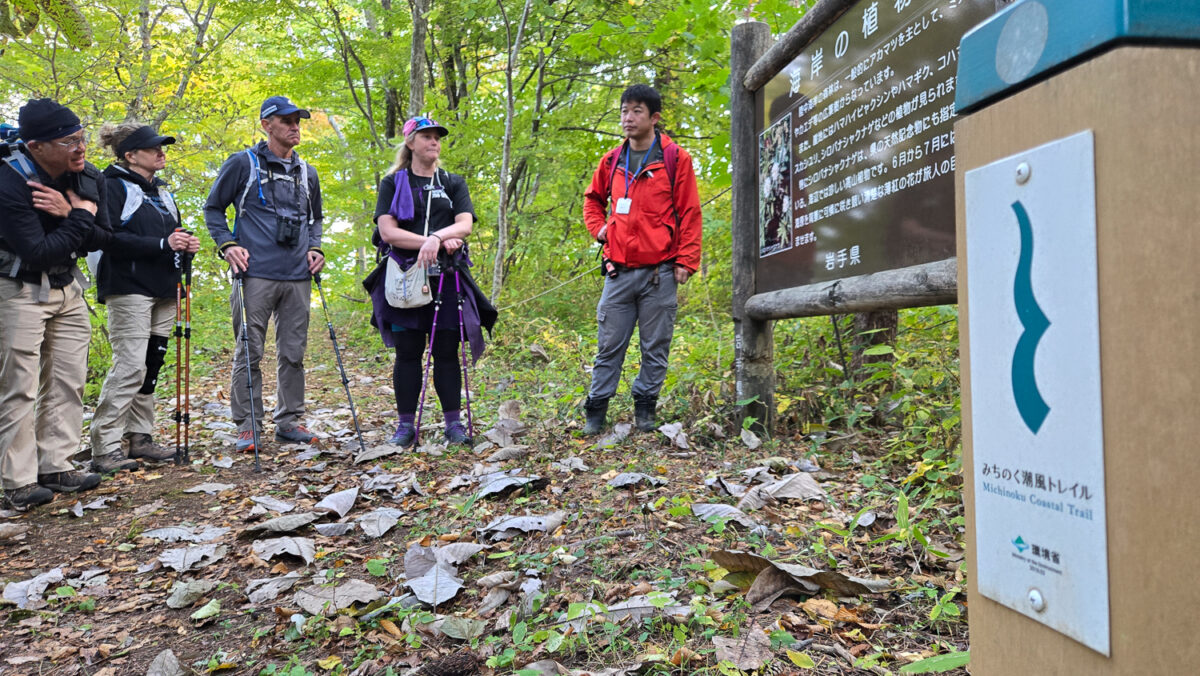
They aren’t just running trips on the Michinoku Coastal Trail—they are deeply rooted in the region and focused on helping travelers understand it.
What sets them apart:
- They travel the entire Sanriku coastline, not just the north
- They offer a true multi-sport experience
- They work directly with local communities and guides
- They focus on context and connection, not just scenery
Instead of asking, “How do we move people along the trail?” they ask, “How do we help people truly experience this place?”
And that difference matters.
Traveling with Northern Japan Horizons allowed me to experience the MCT in a way that would have been incredibly difficult to piece together on my own. We traveled through Aomori, Iwate, Miyagi, and Fukushima Prefectures, experiencing the full diversity of the coastline.
One Trail, Many Journeys
The Michinoku Coastal Trail isn’t about ticking off kilometers. It’s about choosing how you want to engage. Northern Japan Horizons understands that there’s no single way to experience this trail—and that variety is exactly what makes it special. By blending movement, culture, history, and storytelling, they’ve created a way to experience the MCT that is richer, more immersive, and far more meaningful than simply hiking from point A to point B.
If you’re looking for a journey that goes beyond the trail—one that connects you to the land, the sea, and the people who call this coastline home—this is a company worth traveling with.
Learn more about their tours:
Northern Japan Horizons MCT Tours
Michinoku Coastal Trail Bike Hike Tour