
This article may contain affiliate links where I make a small commission for purchases you make from links that you click from this article. By purchasing through these links, you support me at no additional cost to you. Thanks for your support.
Most people think of science as something that happens in labs, run by researchers in white coats. But sometimes science happens on the top deck of a ship in the Southern Ocean… while you’re clutching a glass flask and trying not to slide across the deck.
That’s exactly how I found myself collecting air samples en route to Antarctica as part of a climate research project.
Citizen science travel lets ordinary travelers contribute to real scientific research while exploring the world. By collecting observations, samples, or environmental data, travelers can help scientists fill gaps in what we know about remote places and fragile ecosystems.
In this post, I’ll share what it looked like when I became a very unlikely research assistant aboard an Antarctica expedition cruise—and how you can find citizen science opportunities on your own travels.
Citizen Science Travel in Real Life
I step outside, and the cold wind stings as it hits my face. I’m bundled up, but that first step out on deck is always abrupt. I hold the glass flask under my arm carefully and keep a tight grip on the railing with my other hand. The ship wobbles as I head for the stairs.
I take a deep breath and climb to the monkey deck – the highest deck on the ship above the bridge, and the one that moves the most as we crash through Southern Ocean swells. I climb the stairs slowly with both feet on each step, because they can be slick and I only have one free hand.
At the top, I brace myself against the front railing, point the flask toward the bow, and open the valve.
Sluuuuuurrrrrrpppppppp!
Five seconds later, it’s full. I close the valve and start the careful trip back down to the safety of the bridge.
Why would anyone go to the highest deck of a boat being rocked by massive waves of the Southern Ocean? Well, I can’t speak for others but I did it for citizen science.

Citizen Science Travel, TLDR: contributing to real research while you travel, by collecting observations or measurements, logging data, or helping classify findings for a project run by scientists, parks, or expedition operators. For example, on an Antarctica expedition cruise, I collected air samples for carbon-sink research in the Southern Ocean. Here is what that looked like—and how you can find similar projects on your own trips.
What is Citizen Science Travel?
Citizen science is public participation and collaboration in scientific research to increase scientific knowledge. Depending on the project, participants might collect or report observations, take measurements, or classify photos or sounds. They could help analyze data, or even help shape the research questions and methods.
It’s one of several types of participatory sciences, an umbrella term the Association for Advancing Participatory Sciences (AAPS) uses for public-involved research, including citizen science, community science, community-based monitoring, volunteer research, and related approaches. Many participatory science projects are coordinated by professional scientists or institutions. Some are community-led, though, with scientists supporting design, analysis, or validation.
Citizen science travel is simply doing that same kind of participation while you travel. Often because travel brings you to places where more observations and measurements are especially valuable. This can look like joining an expedition cruise or guided trip that partners with research institutions and invites guests to help collect data, or participating in structured programs in parks and protected areas during a trip.
What Citizen Science Looked Like on My Southern Ocean Voyage
I was never that great in science when I was in school. However, on my second trip to Antarctica, when Heritage Expeditions asked if I would be willing to collect scientific samples for a research study on the Ross Sea, I jumped at the chance. It was my way of contributing to a field that I knew I would never ever work in.
The Ross Sea and Southern Ocean are vast, remote, and rarely traveled. This means there are still major gaps in what we know about the region. Research there is expensive and difficult, so many studies rely on partnerships with expedition companies like Heritage Expeditions, and on travelers like me, to help scientists collect data in places few people can reach.
As it turns out, Heritage Expeditions is not new to science and research. Considering our ship, the Spirit of Enderby, was a research vessel in a former life, and the owner of Heritage was a researcher early in his career – the company’s roots are in science.
“I come from a science background and I appreciate that for a lot of the projects, the funding is $0. So where we can help out, we do. Secondly, I feel that we have a responsibility to help out as well. We are traversing parts of the ocean which are rarely traversed, so if we can contribute, even in a small way, we are contributing to the overall knowledge, and that’s going to benefit everyone.” – Rodney Russ Founder Heritage Expeditions

Safety and Accessibility Considerations
Collecting the samples was not difficult because it was technical, it was difficult because of the environment.
It was cold and windy on the monkey deck, and the ship was constantly moving with the swells. The stairs were slick with rain or ocean spray, and injuries, mishaps, or collection mistakes could easily happen. So I moved slowly and deliberately, kept one hand on the railing at all times, and protected the glass flask with the other.
If you are considering a trip where guests can help with research, this is a good reminder that “citizen science” can be as simple as opening a valve or taking a measurement. However, it may happen in real expedition conditions, where steady footing, cold weather gear, and comfort with motion on a ship matter just as much as the task itself.
Make sure to ask lots of questions about what will be expected of you as the citizen scientist. Only accept the role if you know you are physically up for any potential challenges.

Understanding Global Warming and Carbon Dioxide Sinks
I was asked to collect 9 air samples for a study Dr. Jocelyn Turnbull was conducting on carbon dioxide ‘sinks’. I told you that I wasn’t great in science, so I asked Dr. Turnbull to explain what a carbon dioxide sink is and what her research was about.
“We all know that it [global warming] comes from the burning of fossil fuels (coal, oil, and natural gas), which produce carbon dioxide, which goes into the atmosphere, which makes the world warmer. What you may not know is that of the carbon dioxide we produce from fossil fuels, only about half stays in the atmosphere,” explained Dr. Turnbull.
Why the Southern Ocean Is a Key Carbon Sink
So – you might ask – where does the other half go? The answer is that Planet Earth is doing us a massive favor (or perhaps just trying to save herself), by taking up that carbon dioxide into both land and oceans.
Dr. Turnbull went on to explain, “The million dollar question is, what drives the uptake of carbon into these sinks, and how might that change in the future? Will these sinks “fill up”, causing a massive acceleration of global warming? Or by learning how they work, can we perhaps help these sinks to take up even more carbon and reduce global warming?”
It turns out that the Southern Ocean is the most important of these “carbon sinks.” In fact, it takes up the most carbon dioxide of any region of the world!
Research based on measurements of carbon dioxide over the Southern Ocean says that the increase in the westerly winds has caused the Southern Ocean to do a poorer job of removing carbon from the atmosphere. Other studies based on model simulations of ocean processes give an opposite answer; that the Southern Ocean has been getting better at taking up carbon. “The problem is that we just don’t have enough measurements in the Southern Ocean or the atmosphere above it,” said Dr. Turnbull.
And that’s where I came in. My role was to collect more data while cruising through the Southern Ocean – otherwise known as a carbon sink.
Check out this 2017 article highlighting the study with Dr. Turnbull (that features a photo of yours truly!)
My Role as a Research Assistant in the Southern Ocean
And that’s where I came in, happily taking on the role of ‘research assistant’ of the Southern Ocean.
I didn’t wear a white lab coat, but instead my big white raincoat and a warm hat. Then I protected that flask with my life as I shuffled along the top deck hoping I didn’t plummet into the sea. I returned to the bridge to record all of the relevant weather and location information so they can know exactly where I took the sample. Weather conditions, wind, temperature, and more.

It Doesn’t Stop at Global Warming
And this isn’t the only research Heritage Expeditions is supporting. They regularly support research projects.
On this trip, we were also deploying weather buoys in the higher latitudes. And they delivered helicopter fuel to the Subantarctic Islands to be used in search and rescue operations.
Now, Heritage Expeditions doesn’t regularly offer participatory science trips like this as part of their itineraries, I was just asked to help out in this particular instance.
As I gripped the handrail with one hand and my glass air flask in the other while waddling back down off the monkey deck, it’s more than simply going through the motions for me. I feel like I’m doing something more, something good and meaningful.
Maybe one day I may be able to tell my niece’s kids – “your great aunt helped stop global warming by simply traveling…”

How You Can Do Citizen Science While You Travel
When people hear “citizen science,” they often imagine lab coats and complicated equipment. But the reality is far simpler — and far more travel-friendly.
You don’t need a research vessel in Antarctica (although I highly recommend it). Sometimes all it takes is a smartphone, curiosity, and a willingness to pay attention to the world around you.
In fact, travelers are uniquely positioned to help scientists. We go to remote places, national parks, coastlines, and mountain trails — exactly the kinds of locations where researchers need more observations.
Here are a few easy ways you can turn your next trip into a citizen science adventure.
Use Citizen Science Apps While You Travel
The easiest way to participate is by using apps that collect observations from travelers all over the world.
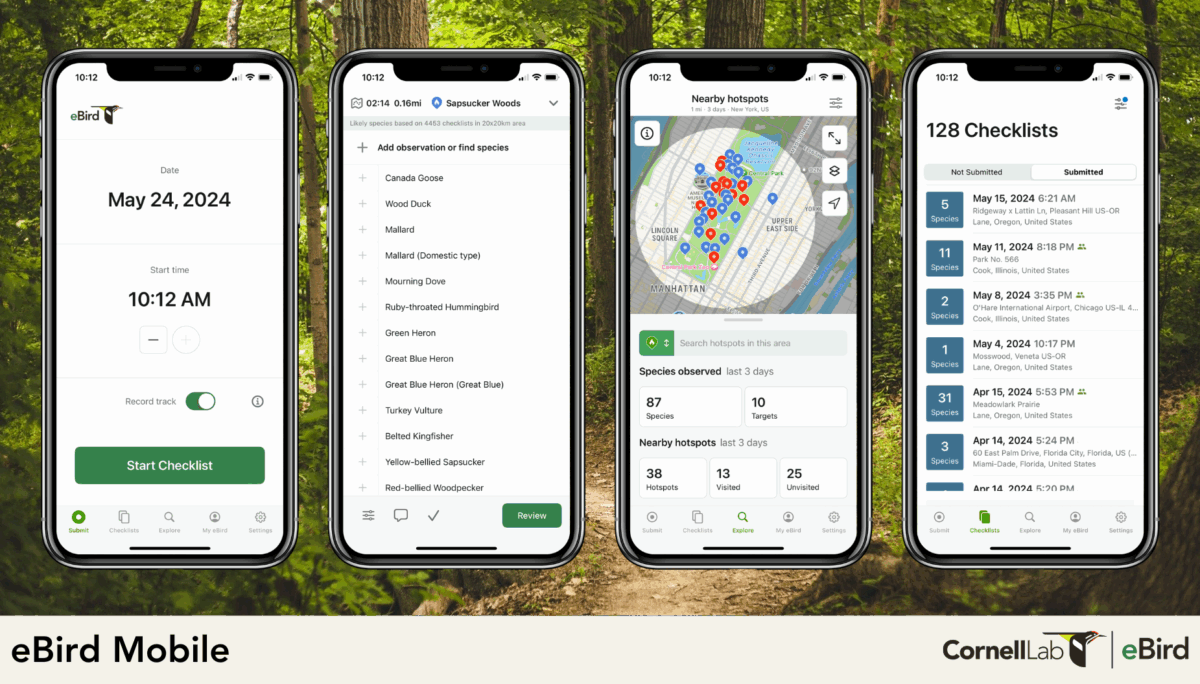
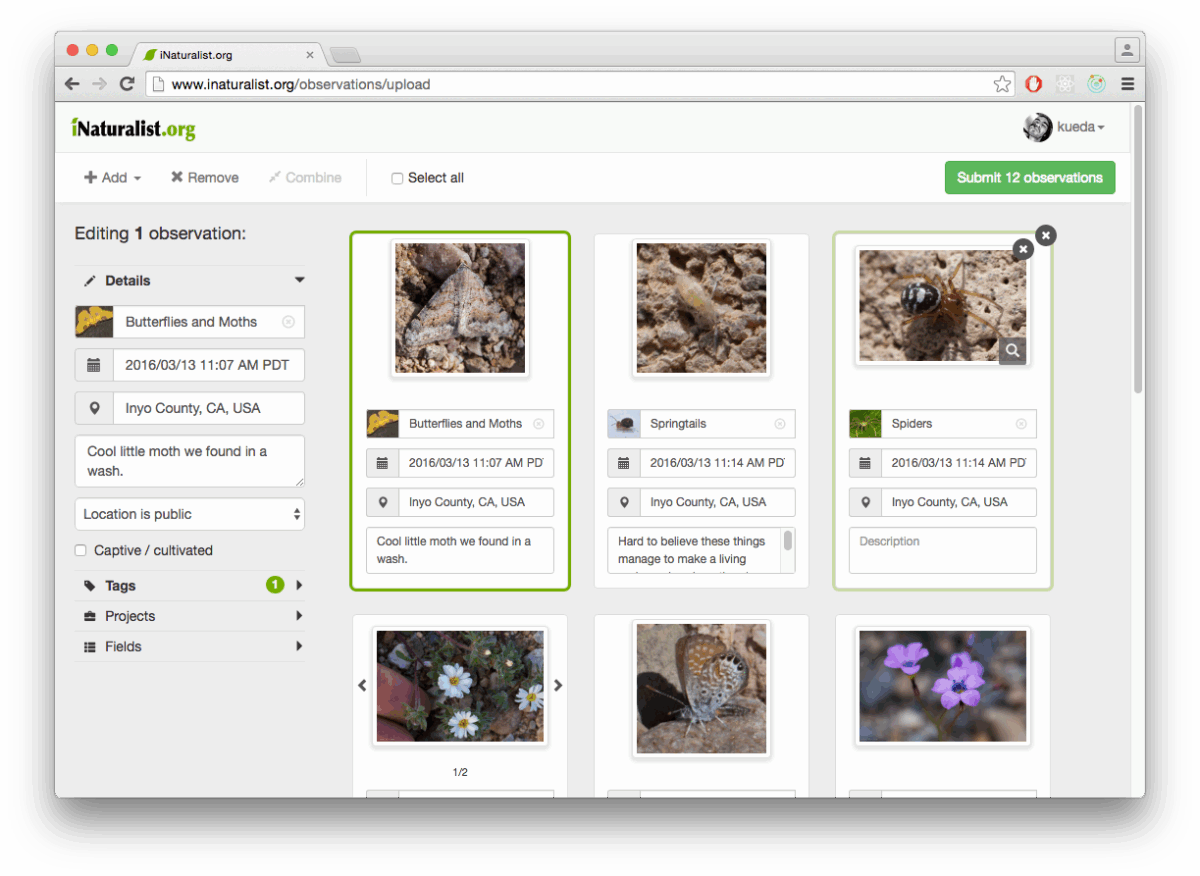
One of my favorites is iNaturalist, which lets you photograph plants, animals, fungi, or insects and upload them as observations. The app uses AI and a community of experts to help identify species, and your sightings become part of a global biodiversity database.
Suddenly your morning hike becomes a mini wildlife survey.
Another great option is eBird, run by the Cornell Lab of Ornithology. Birders (and casual travelers!) record the birds they see and hear, helping scientists track migration patterns and population changes across the globe.
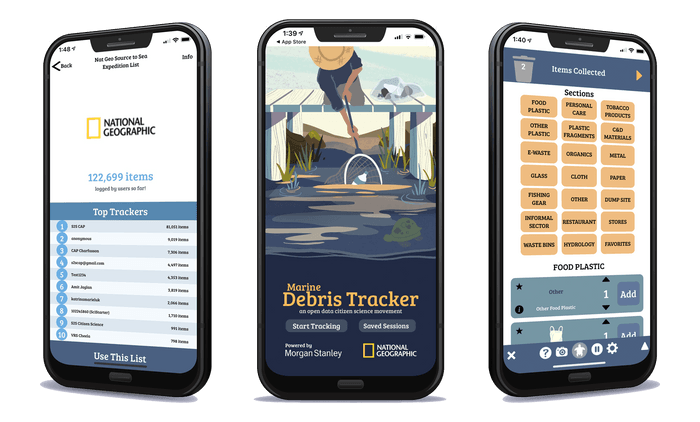
And if your travels take you to the coast, the Marine Debris Tracker allows you to log plastic pollution you find on beaches — data researchers use to understand where ocean debris originates.
In other words, the next time you’re wandering through a national park or walking along a beach, you could actually be contributing to science.
Look for Citizen Science Programs in National Parks
Many national parks and protected areas run citizen science programs that visitors can participate in. And honestly, it makes a hike a lot more interesting when you realize your observation might help scientists understand an ecosystem better.
These might include:
- wildlife sighting reports
- butterfly or pollinator counts
- tracking seasonal plant changes
- monitoring invasive species
- documenting wildlife with camera traps
Check national park and protected-area programs, and exploring established projects that let travelers contribute observations from wherever they are visiting. Some good places to start include the US National Park Service offerings and these 4 ways to be a citizen scientist on vacation.
If you didn’t plan ahead – that’s ok, when you arrive at a visitor center, ask if there are any visitor science or citizen science projects happening during your stay. Rangers often have simple ways travelers can contribute.
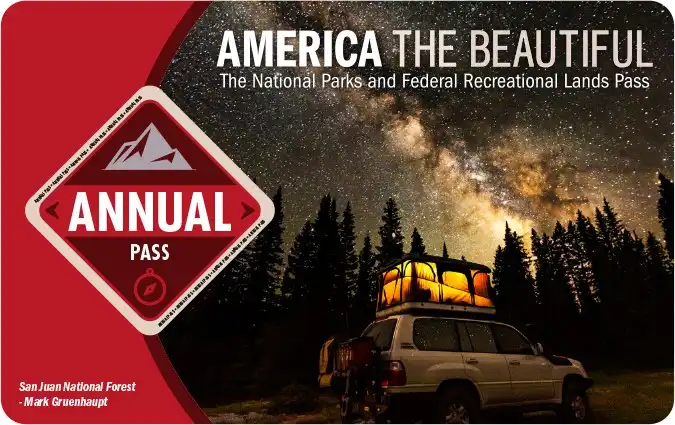
America the Beautiful National Parks Annual Pass
Skip the lines and get your America the Beautiful Annual National Parks Pass from REI! The America the Beautiful Pass Covers entrance for a driver and all passengers in a personal vehicle at per-vehicle fee areas or up to 4 adults at sites that charge per person (kids 15 & under get in free)
I earn a commission if you click this link and make a purchase, at no additional cost to you.
Search for Projects Before Your Trip on SciStarter
If you want to go deeper, you can look for projects before you even leave home.
Platforms like SciStarter list thousands of citizen science opportunities around the world. You can search by location, topic, or type of activity. Some projects are simple one-time observations. Others are more immersive experiences where travelers join researchers for part of their fieldwork.
And yes — sometimes those opportunities look exactly like what I did in Antarctica: collecting samples in one of the most remote oceans on Earth.
Citizen Science Travel Examples
Some more ideas to get you started on your search for opportunities:
- National parks and protected areas: Join ranger-led counts (birds, tidepool species, invasive plants) or submit sightings through park-supported projects.
- Road trips and hiking trips: Log wildlife, plants, fungi, or trail conditions with apps that feed into research databases (great for repeat visits).
- Coastal vacations: Contribute to beach litter surveys, microplastics counts, reef or kelp observations, and intertidal monitoring during low tide.
- Expedition Cruises – Many cruises ask guests to upload pictures of whales and other animals into international databases where the animals are tracked.
- Urban travel: Record birds, pollinators, air quality, heat, or noise data in cities where researchers track how environments affect health and biodiversity.
- From anywhere (even on a short trip): Classify photos/audio or verify observations for ongoing projects when you have downtime at your hotel or on a train.
Why Citizen Science Makes Travel More Meaningful
Travel is already about curiosity. Citizen science simply turns that curiosity into contribution.
Instead of just visiting a place, you become part of understanding it. You notice the details — the birds overhead, the plants along the trail, the health of a coastline. It created awareness, quenches curiosity, makes you be present, and brings you ‘closer’ to your destination.
And occasionally, you find yourself standing on the highest deck of a ship in the Southern Ocean, clutching a glass flask while the wind tries to rip it from your hands.
Which, if you ask me, is a pretty great travel story.
Citizen Science Travel FAQs
Citizen science travel can be ethical when projects are transparent, science-led, and follow clear protocols that protect wildlife, habitats, and local communities. If it is vague about methods or data use, encourages close wildlife interactions, or feels more like marketing than research, that is a red flag.
No. Most projects are designed for beginners and provide simple instructions or training. You mainly need to follow the protocol carefully and be comfortable with the conditions (weather, terrain, or ship movement) where the data is collected.
Yes. Many citizen science projects are free or low-cost through national parks, local conservation groups, and app-based programs you can do on regular trips. Expedition cruises are just one option, not a requirement.
Related Reading