
Until very recently, visiting China as a Brit involved a lot of admin: application forms, visa centre appointments, invitation letters, and fees hovering around £100. Then there was the low-grade anxiety caused by handing over your passport and hoping for the best.
That all changed in January 2026, when China announced visa-free travel for UK passport holders – covering stays of up to 30 days. The policy came into effect immediately and, in one fell swoop, eliminated one of the biggest barriers to visiting one of the world’s most populous countries.
I’ve just returned from a sojourn in Shanghai, and it’s a great place to start if you’re thinking of taking a trip to China.
Why Shanghai
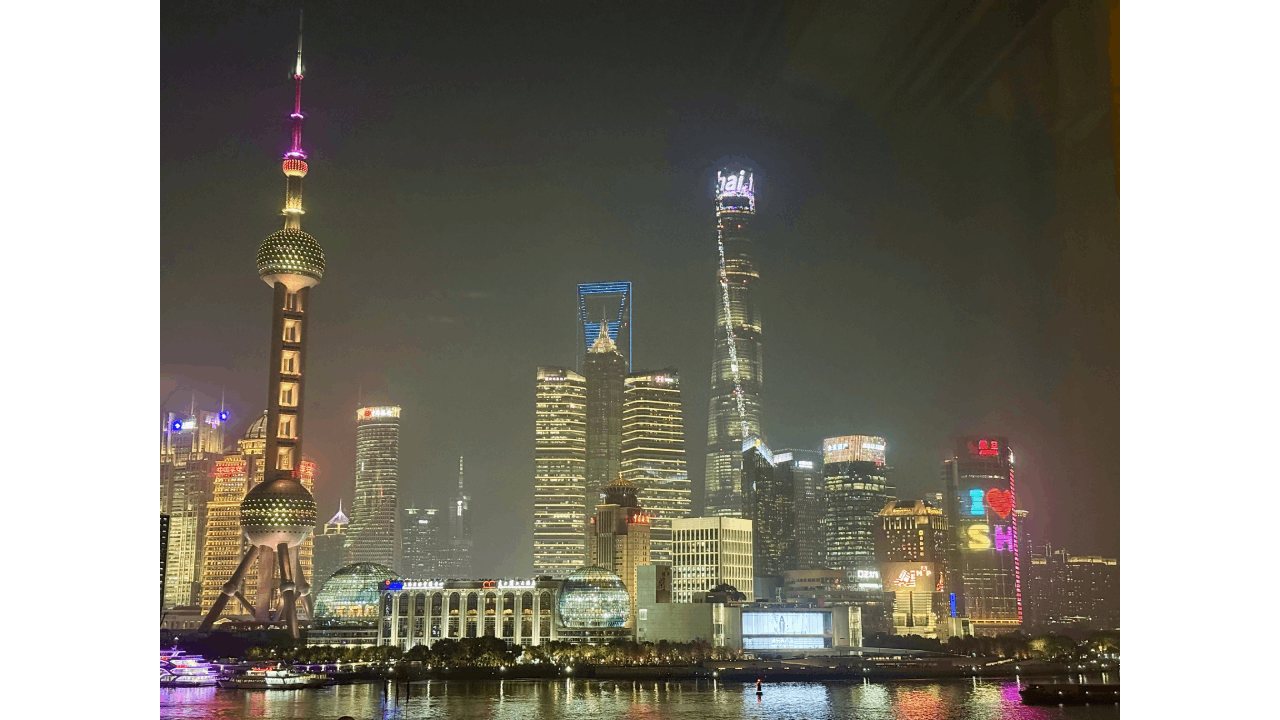
Shanghai is widely regarded as mainland China’s most cosmopolitan city. The country’s glossy, fashion- and finance-focused front door, it makes for a thrilling but straightforward introduction. To start with, Shanghai is visually spectacular.
Home to more than 24 million people, it’s known as a hyper-city. There’s a new neon skyline on one side and old-world leafy neighbourhoods on the other. Even today, you can see why the city’s nickname was “Paris of the East” in its golden era of the 1920s and 1930s.
Read more: The Temple House hotel review
During my January trip, I was especially interested in Shanghai’s fashion and food scene. Luxury brands treat the city as a serious playground, with Louis Vuitton’s viral, three-storey boat being the latest photographic hotspot.
Chinese label Songmont has quietly become the it-bag brand among regional influencers. But it’s the tea and floral scents of ethereal fragrance brand To Summer that I fell in love with. Alternatively, Pop Mart’s colossal flagship is a fever-dream toy shop of collectable culture (and Labubus), and concept store Haus Nowhere – with its animatronic installations – is bonkers in the best way.
As always, food is another of my motivators and I was especially pleased to hear that Shanghai is home to xiao long bao (soup dumplings). A local-led tour with Lost Plate is a good place to start for exploring the city’s staple dishes.
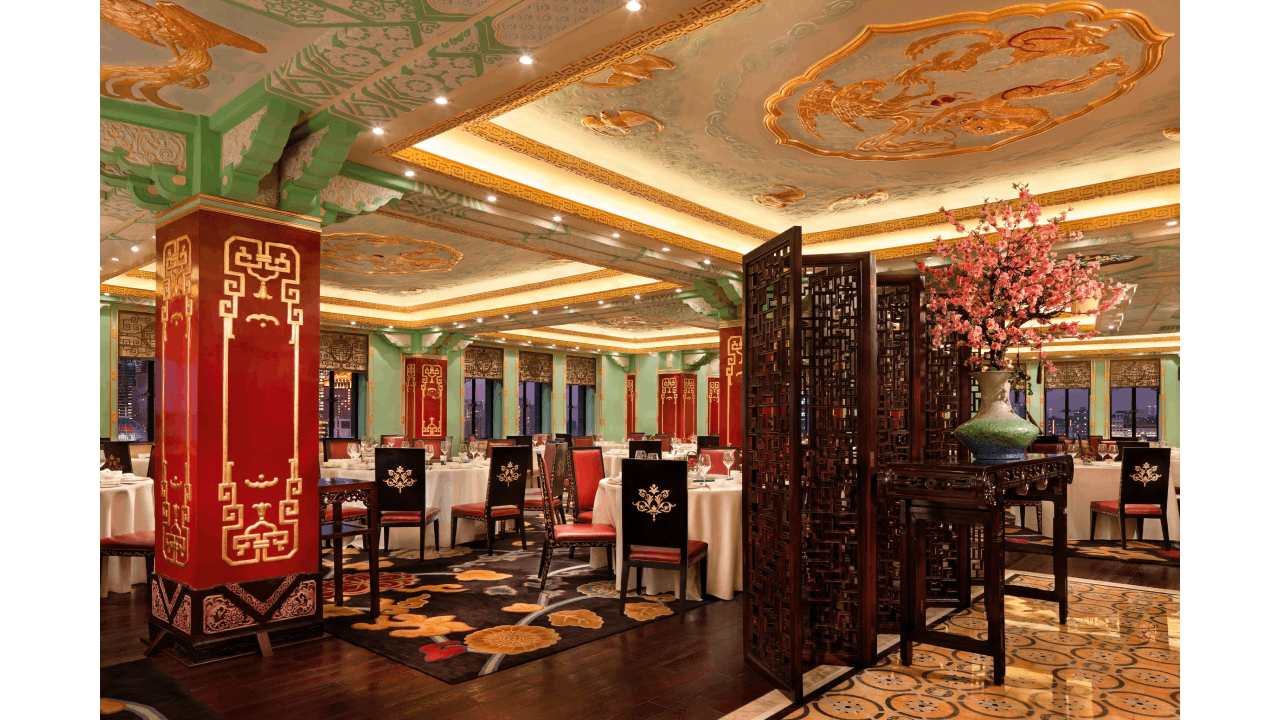
For something more formal, Gui Hua Lou at Pudong Shangri-La serves exquisite Jiangnan-style cuisine from Shanghai and its neighbouring water towns of Jiangsu and Zhejiang. Or traditional multi-course banquet dining can be sampled at Dragon Phoenix at The Fairmont Peace Hotel.
Hairy crab is another Shanghainese signature – sample it mixed in rice at Ren He Guan. Meanwhile, moody cocktail dens are a fixture in the French Concession. Try Speak Low or RX, which serves drinks inspired by TCM (traditional Chinese medicine).
Read more: Mandarin Oriental Qianmen, Beijing hotel review
Exploring the city’s heart and history
Shanghai isn’t as historically dense as Beijing, but that’s part of its appeal: there’s not an overwhelming amount to see. With Ming-era pavilions and reflection pools tickled by willow branches, Yu Garden – rebuilt after the Opium Wars – is touristy but still worth it. A top tip is to go in the morning before the crowds descend. Then there’s the gold-crowned Jing’an Temple, wedged between office blocks and set aglow at night.
Zhangyuan, a newly revitalised complex of shikumen (stone-gate houses), is a perfect example of Shanghai’s knack for adaptive reuse. Here, the unique architecture now houses chic cafes and boutiques. Fuxing Park, once a French-only colonial garden, is where locals practise tai chi and dance. Also in the Huangpu District, People’s Park hosts the city’s famous marriage market on weekends – a place parents meet to discuss their adult children’s eligibility.

For deeper context, lean into Shanghai’s communist history with a visit to No 76 Xingye Road, where Mao Zedong and his comrades founded the Chinese Communist Party. Book a customisable tour with Tripadvisor – as I did – and you can get most of these must-see boxes checked in an afternoon, with a local guide and driver.
Useful prep and the importance of etiquette
There is some prep that is still essential before a trip to Shanghai. Download Alipay or WeChat Pay before you arrive (cash is rarely used, and even taxis and hole-in-the-wall eateries expect digital payment). DiDi (China’s Uber) is essential, as is a good translation app because most menus aren’t in English. I’d also recommend getting set up with a mobile SIM like Holafly and a VPN service.
Tipping isn’t customary, and small etiquette details matter. Don’t point at people (or with your chopsticks), give and receive items with both hands, and learn a few basic phrases. Oh, and bring comfortable shoes. Yes, the city is huge, but it can be explored on foot, as it’s sparkling clean and very safe.
Read more: Rissai Valley Ritz-Carlton Reserve, hotel review
Where to stay
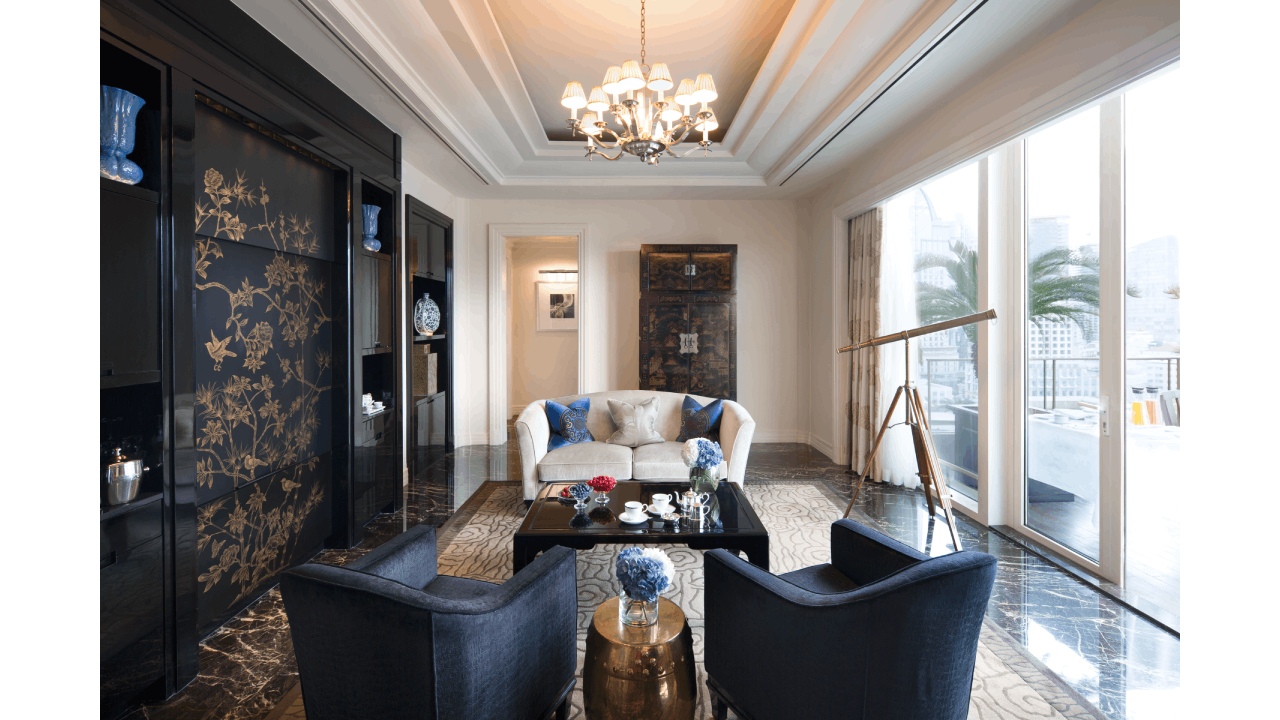
For a first visit, I’d recommend splitting your stay between two very different hotels. Start with The Peninsula Shanghai, which is worth it for the views and rooftop bar alone. Sitting right on the Bund in the city’s former British Concession, it offers front-row seats to the mesmerising Pudong skyline. You’ll see the most cinematic scenes at night, when the light show makes it look like a sci-fi film set.
Rooms are spacious, and service is impeccable. It’s also perfectly placed for sightseeing, with many of the city’s highlights within easy reach. Plus, it’s well priced for five-star opulence. With rooms starting around £300 a night, this is a a bona fide bargain compared to London’s £1,200 Peninsula rates.
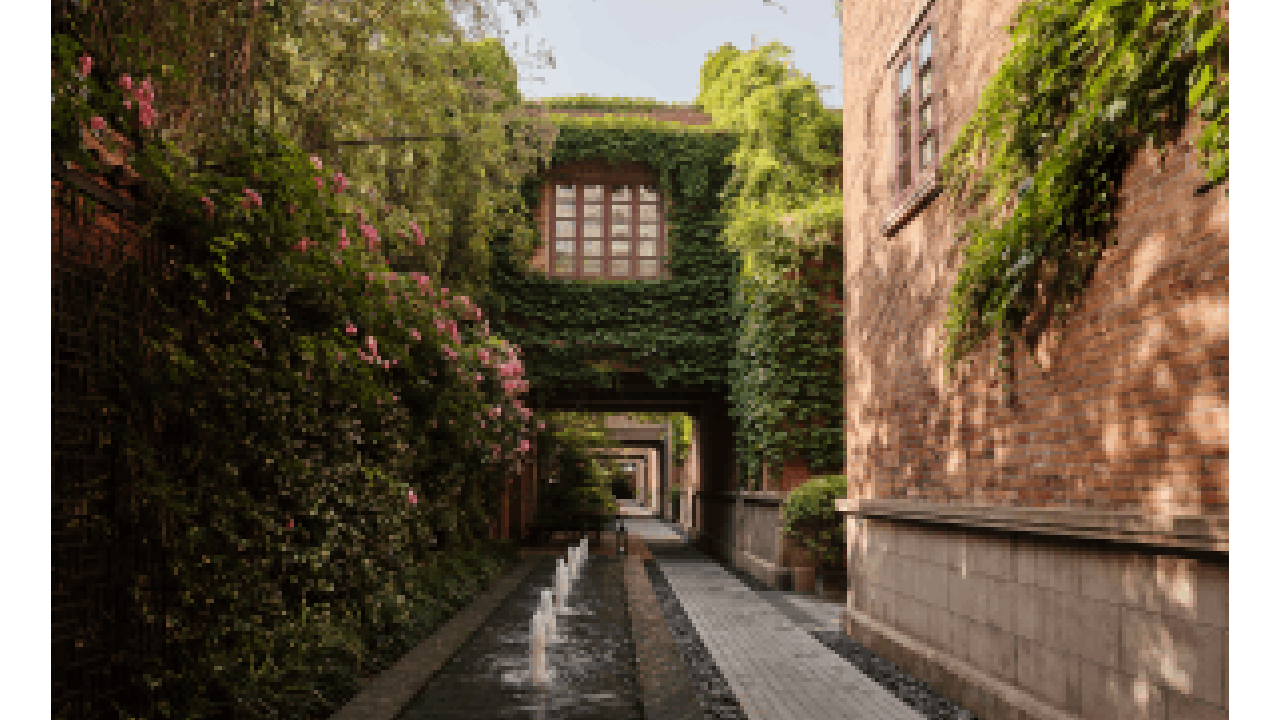
Next, switch gears (and centuries) at the exquisite Capella Shanghai, Jian Ye Li, in the French Concession. Housed within blocks of restored 1930s shikumen townhouses, this is Shanghai at its most old-world romantic.
Each key unlocks a private residence, while the interiors beautifully mash up east‑meets‑west style. The location is ideal for late nights, slow mornings and wanderings. Notably, the sense of place at both the hotel and within the French Concession is unparalleled. After the spectacle of the Bund, it offers a gentler, more personal way to experience the city.
For an affordable stay, The Langham, Shanghai, Xintiandi has low-season rates around the £100 mark and has a fantastic, in-the-heart-of-the-action location in the trendy, pedestrianised pocket of Xintiandi, within the French Concession and close to the major shopping street of Huaihai Road.
Nicole was hosted by The Peninsula Shanghai and Capella Shanghai, Jian Ye Li during her stay.