
Japan is buckling under the weight of overtourism, with international arrivals soaring from 3.8 million in 2022 to a record 42.7 million in 2025. In the country’s most recognisable cities – Osaka, Kyoto and Tokyo – overcrowded attractions and fully booked hotels have become the norm.
Then there’s Kobe – known for its namesake marbled beef, though otherwise it’s an enigma to most travellers.
Despite its proximity to Osaka and Kyoto (25 and 50 minutes away by train respectively), Japan’s sixth largest city is remarkably under-appreciated, especially by Western tourists. The latest figures provided by the Kobe Tourism Bureau, for 2024, show there were just 945,000 foreign overnight visitors. It’s ironic considering Kobe has historically been Japan’s gateway to the world.
Read more: Hot springs, shrines and sake: This diverse part of Japan is perfect for first-time visitors
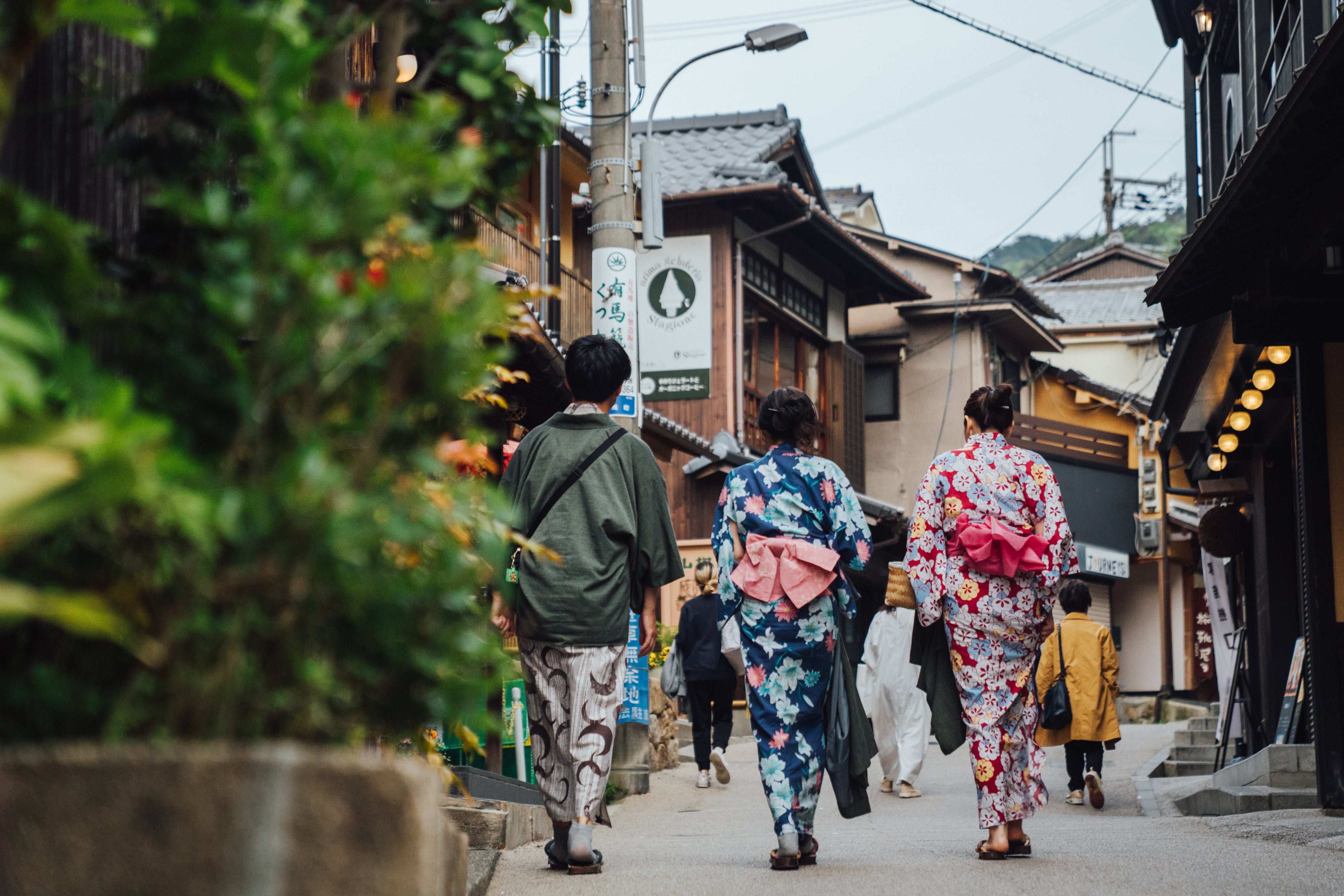
Kobe was the first port city opened to foreign trade in 1868, after which European and American merchants settled and created a thriving community. Kobe is also home to Arima Onsen, one of Japan’s oldest and most easily accessible hot springs – and the first to welcome foreign guests.
While on a 10-day trip with my friends through Japan’s Kanto and Kansai regions, and after a week spent elbowing through Instagram fodder-hungry crowds in Tokyo, Kyoto and Osaka, I was elated to sink into the open-air hot bath at Tocen Goshoboh. Built in the 12th century, this tranquil ryokan sits at the entrance to Arima’s old town and was once frequented by samurai and emperors, drawn by its proximity to the ancient capital of Kyoto.
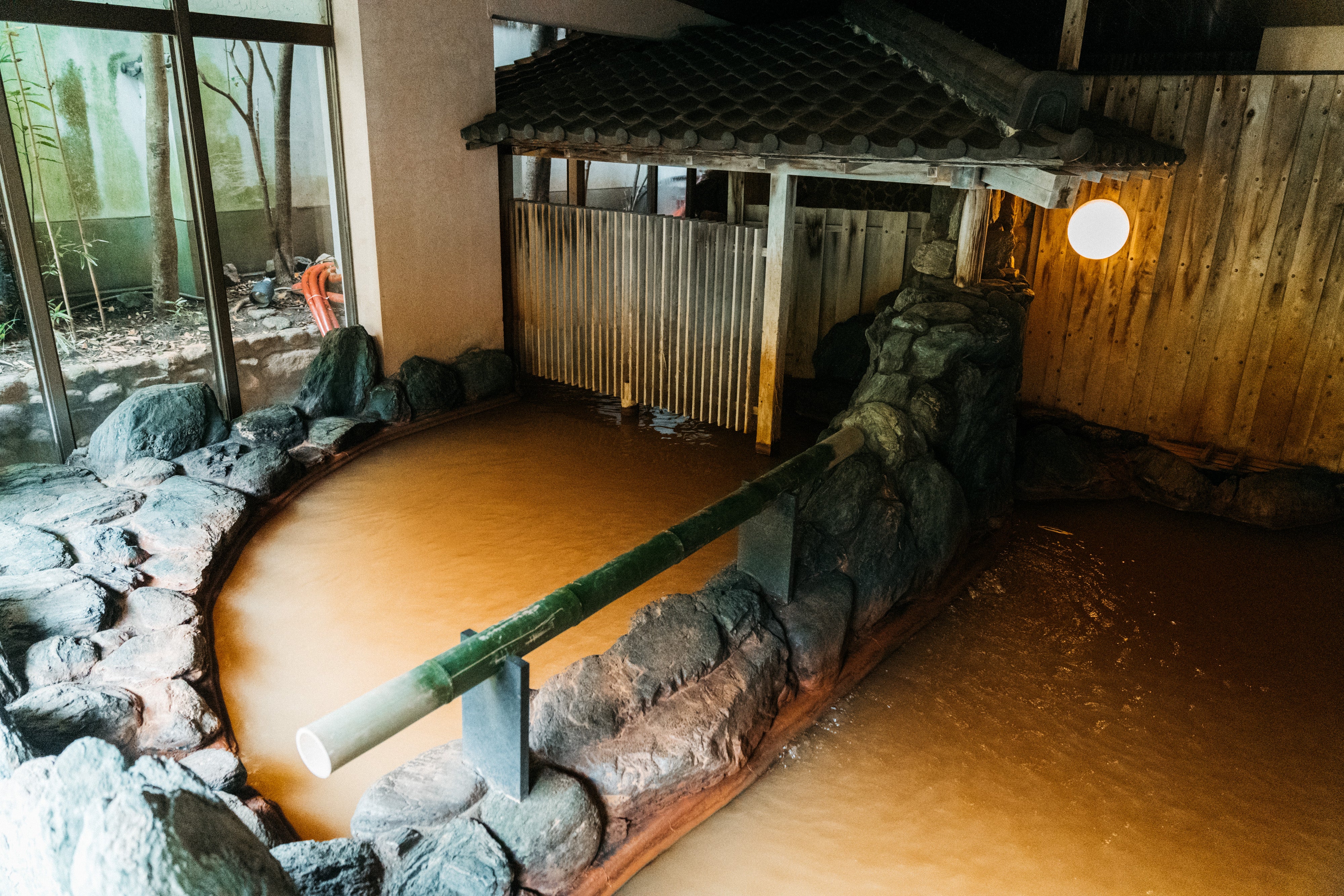
The star attraction is its mineral-rich, pressurised spring water, laden with salt, calcium and iron. Known as kinsen – or “golden spring” – for its distinctive rusty hue, it’s long been fabled to hold restorative powers.
Legend has it that an emperor who struggled to produce an heir did so after bathing in Arima, naming his son after the town in gratitude. While I can’t speak to its effects on virility, I can confirm my travel-weary muscles were swiftly soothed.
Arima also has a fascinating geisha culture that predates Kyoto’s. The town’s geiko – a local term for the profession – began with junior monks who once tended to spa guests, when bathing was still tied to Buddhist purification rituals. Over time, they were replaced by women. You can still catch Arima geikos performing in cafes.
Leaving behind Arima’s misty slopes after a peaceful night’s sleep, I ventured downtown with my sights set on Kobe’s most iconic offering.
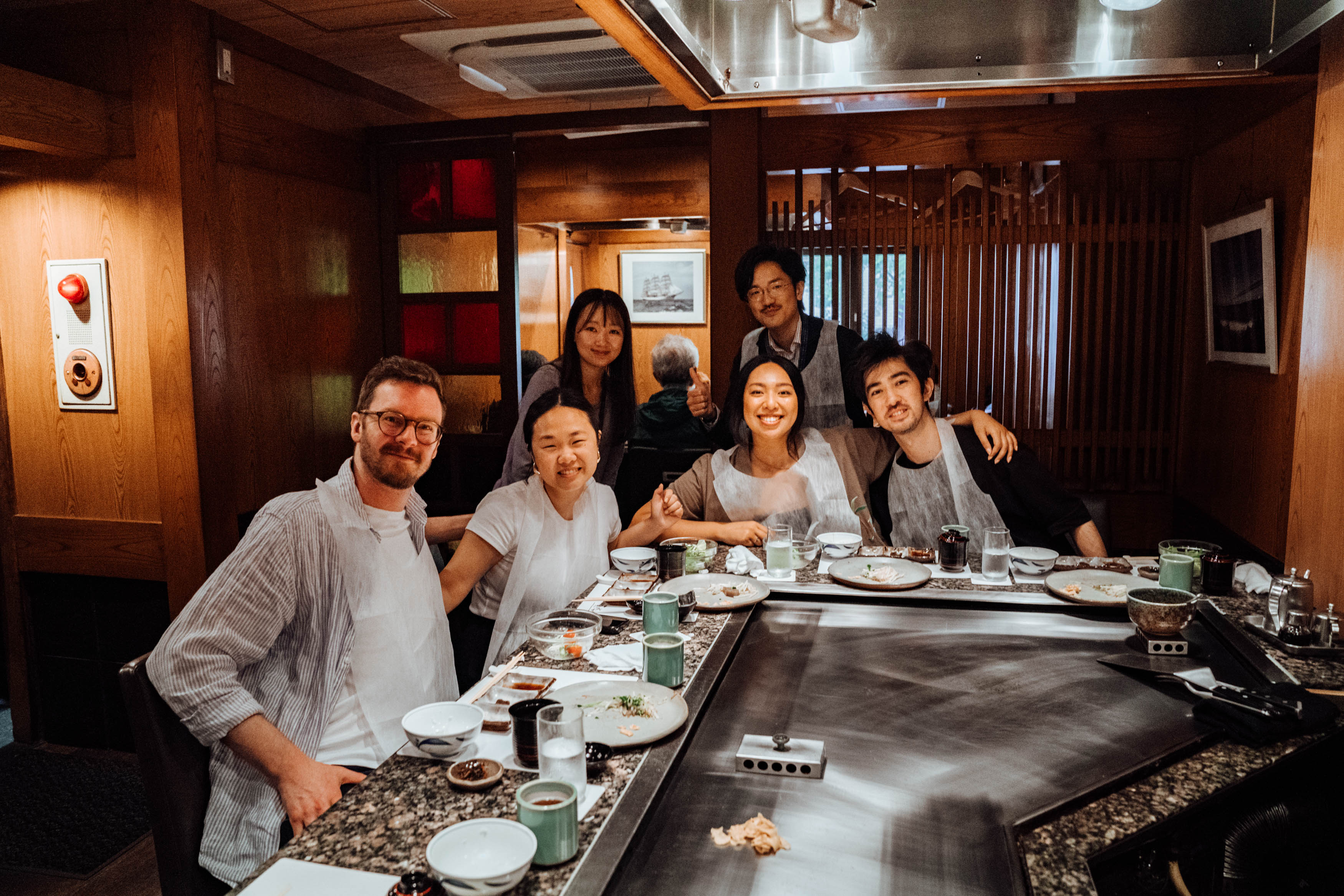
Kobe beef needs little introduction, but at Kikusui, a family-run butcher that became a teppanyaki restaurant in the 1960s, I learned just how exacting the standards are. The meat comes exclusively from Tajima cattle, which produce a prized strain of wagyu raised in Hyogo Prefecture, and are regularly indulged with beer, sake and massages. To earn the Kobe name, the beef must reach the highest marbling grade, “A5”.
Read more: Why the ‘Hawaii of Japan’ should be your next beach holiday
Our chef seared each cube with immaculate precision on a sizzling iron plate that has been in use for two decades. Golden slivers of fried garlic added a subtle sweetness to the meat’s richness. It sounds cliche, but nothing has quite matched that slow, buttery wave of umami as the beef dissolved on my tongue. The side dishes – earthy mushrooms, silky konjac jelly and caramelised courgettes – were the perfect encore.
After such a hearty feast, it was only fitting to chase with another beloved Japanese export: sake. And Kobe just so happens to be the centre of sake production.
At Nadagogo, the city’s “sake village”, five historic breweries are responsible for roughly a quarter of the nation’s sake production. The craft hinges on two local ingredients: Yamadanishiki rice, grown in Hyogo and favoured for its high starch content, which converts beautifully into fermentable sugar; and Miyamizu spring water, a mineral-rich hard water that lends Nada sake a crisp finish.
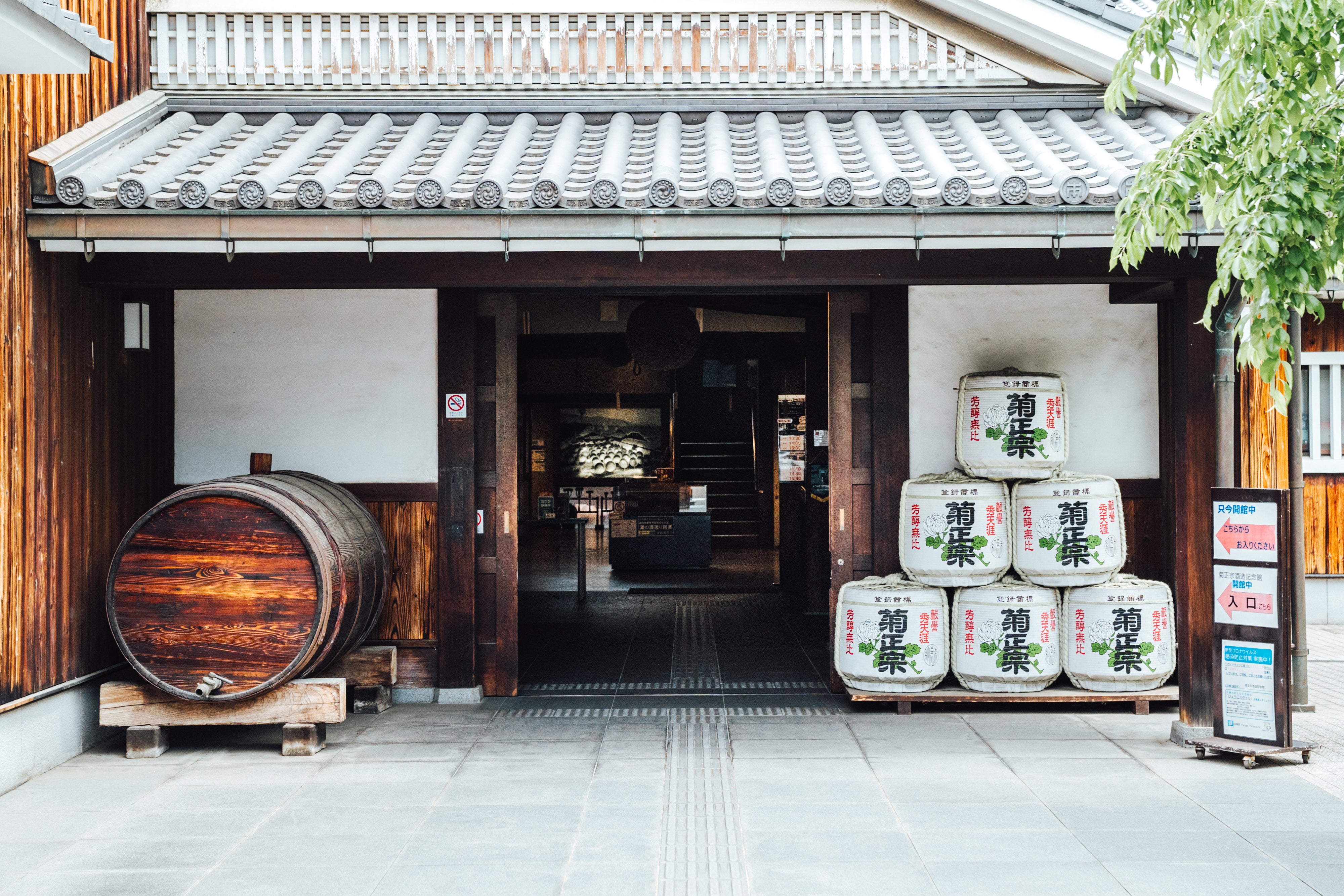
The best-known brewery is Kiku-Masamune, founded in 1659 and now among Japan’s leading sake brands. At its Brewery Museum, I sampled limited-edition sake from the tap and picked up extra ones for the road. They were a very reasonable £15 per bottle, thanks to a particularly weak yen.
While Kobe has plenty of culinary delights, its retail scene is just as satisfying.
Luxury boutiques, streetwear labels and thrift stores are plentiful here, yet the shopping experience is infinitely calmer than Tokyo or Osaka. As a vintage lover, I happily lost an afternoon browsing second-hand shops dotted around Sannomiya, Kobe’s main train station.
Nothing felt picked over; racks were neatly stocked and prices extremely fair. I walked away with a mint-condition Sportsmax blazer for £30 — a steal that would easily cost twice as much in Tokyo, and surely triple on Portobello Road.
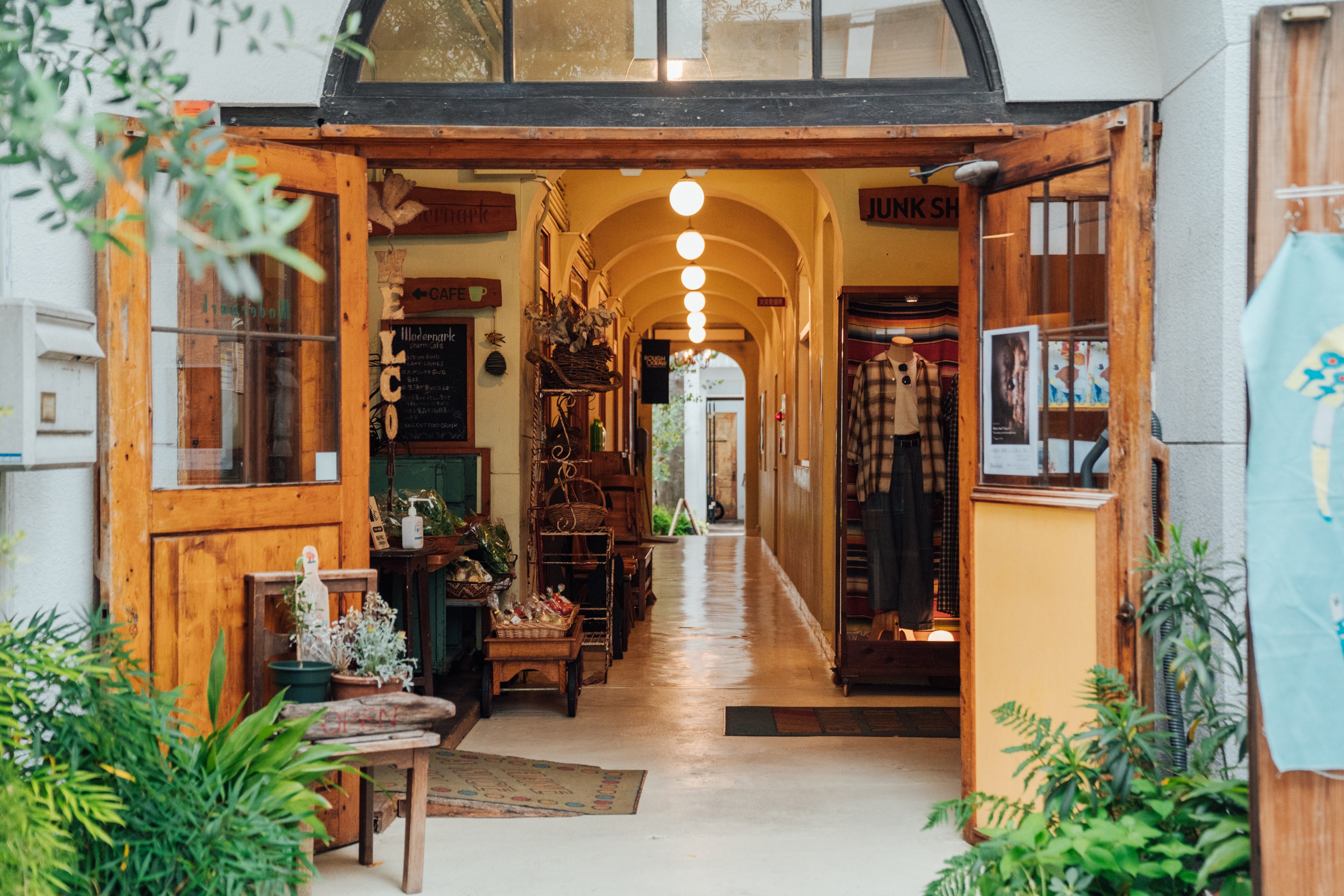
Beyond dining and shopping, Kobe is a treat for anyone who simply enjoys strolling around. The hilly Kitano district, once home to foreign merchants, showcases the city’s multicultural past in its architecture: the German-built Weathercock House, the American-style Moegi House and the Tudor-inspired Yamate Hachibankan, to name a few. You’ll also find Japan’s oldest mosque, built in 1935.
For something more traditional, Ikuta Shrine is a highly recommended stop along your walking route. Dating back to the third century, it’s one of Japan’s oldest Shinto shrines and a popular spot to pray for good relationships. For a day trip, Himeji — just 15 minutes away by Shinkansen — is home to Japan’s largest and best-preserved feudal castle.
After spending time in Japan’s busiest tourist hubs, I found quiet, easygoing Kobe a lovely respite. But with its beguiling blend of unique culture, delicious food, conveniently located onsens and fabulous shopping, I doubt the city will stay a secret for long.
Venus Wong was a guest of Visit Kobe.
Read more: I fell in love with this island-to-island cycling trail through rural Japan
How to do it
Return flights from London Heathrow to Osaka start from £479. The Shinkansen bullet train travels between Shin-Osaka Station and Shin-Kobe Station in under 15 minutes, and costs from £7.50; global.jr-central.co.jp.
Where to stay
Unwind in the hot springs at Tocen Goshoboh in Arima, on the outskirts of Kobe.
For something a bit more central, Kobe Meriken Park Oriental Hotel offers panoramic views of the city.